In an era where digital privacy is increasingly under threat, anonymous SIM cards have emerged as a valuable tool for those seeking to protect their personal information and maintain communication confidentiality. These specialized mobile phone cards offer users the ability to communicate without revealing their true identity, providing an essential layer of privacy in our interconnected world.
What Are Anonymous SIM Cards?
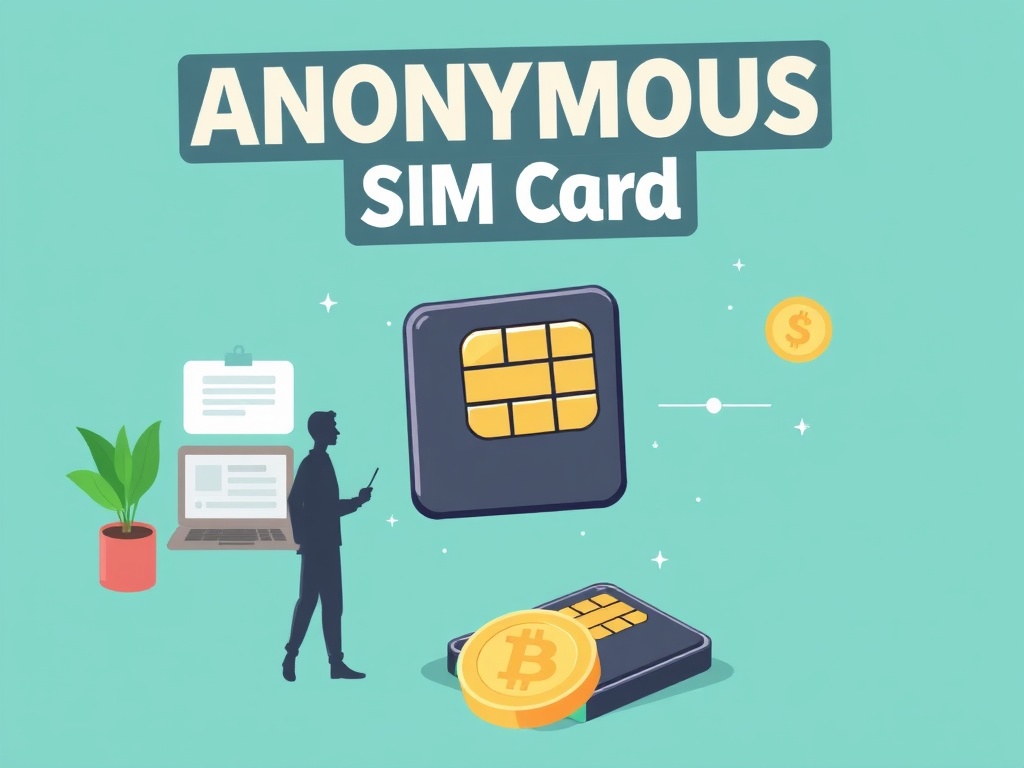
Anonymous SIM cards are mobile phone SIM cards that can be purchased and activated without requiring the user to provide personal identification information. Unlike traditional SIM cards that typically require government-issued ID, address verification, and other personal details, anonymous SIM cards allow users to maintain their privacy while still accessing cellular networks for calls, texts, and data services.
Key Characteristics of Anonymous SIM Cards
The primary distinguishing features of anonymous SIM cards include:
- No personal identification required during purchase
- Often available for cash payment
- May use alternative verification methods or none at all
- Typically offer prepaid services rather than contracts
- May have limited availability depending on local regulations
Why People Use Anonymous SIM Cards
There are numerous legitimate reasons why individuals might seek out anonymous SIM cards. Privacy-conscious consumers, journalists working in sensitive environments, business professionals handling confidential information, and individuals living under oppressive regimes all find value in these privacy-enhancing tools.
Privacy Protection
For many users, anonymous SIM cards provide essential protection against surveillance, data collection, and unwanted tracking. In an age where mobile carriers routinely collect and share user data with advertisers and government agencies, these cards offer a way to communicate without leaving a comprehensive digital footprint tied to one's identity.
Security for Sensitive Communications
Professionals who handle sensitive information, such as lawyers, journalists, and activists, often rely on anonymous SIM cards to protect their sources and maintain confidentiality. These cards can be particularly valuable when communicating about sensitive topics or working in environments where privacy is paramount.
How Anonymous SIM Cards Work
Anonymous SIM cards function similarly to regular SIM cards but with different registration and activation processes. Understanding how they work can help users make informed decisions about their privacy needs.
Activation Process
The activation process for anonymous SIM cards typically involves minimal information collection. Some providers may require only a valid email address, while others might use alternative verification methods such as cryptocurrency payments or temporary phone numbers. The key difference is the absence of traditional identity verification requirements.
Network Access
Once activated, anonymous SIM cards provide access to cellular networks just like standard SIM cards. Users can make calls, send texts, and use mobile data services. However, the level of service and coverage may vary depending on the provider and the specific card purchased.
Legal Considerations and Regulations
The legality and availability of anonymous SIM cards vary significantly across different countries and jurisdictions. Understanding the legal landscape is crucial for anyone considering using these privacy tools.
International Variations
In some countries, anonymous SIM cards are readily available and legal to use. However, many nations have implemented strict regulations requiring mobile carriers to verify user identities before activating SIM cards. These regulations are often justified as measures to combat crime, terrorism, and fraud, but they also significantly impact personal privacy.
Compliance and Risks
Users should be aware that while anonymous SIM cards may be legal to purchase and use in some jurisdictions, there may still be risks associated with their use. Law enforcement agencies in many countries have tools to track mobile communications, and the use of anonymous SIM cards might attract additional scrutiny in certain situations.
Choosing the Right Anonymous SIM Card
With various options available in the market, selecting the appropriate anonymous SIM card requires careful consideration of several factors.
Coverage and Network Quality
The primary consideration when choosing an anonymous SIM card should be network coverage and service quality. Even the most privacy-focused card is of limited value if it doesn't provide reliable connectivity in your area of use.
Payment Options
Many users seeking anonymous SIM cards prefer payment methods that don't link back to their identity. Options such as cryptocurrency, cash vouchers, or prepaid cards can help maintain the anonymity of the purchase.
Duration and Flexibility
Consider whether you need a long-term solution or a temporary option. Some anonymous SIM cards are designed for short-term use, while others offer more permanent solutions with the ability to top up and maintain service over extended periods.
Best Practices for Using Anonymous SIM Cards
To maximize the privacy benefits of anonymous SIM cards, users should follow certain best practices and security measures.
Device Security
An anonymous SIM card is only as secure as the device it's used in. Ensure your phone has appropriate security measures, including strong passwords, encryption, and up-to-date software to prevent unauthorized access.
Usage Patterns
Be mindful of how you use your anonymous SIM card. Avoid linking it to accounts or services that require personal information, and consider using additional privacy tools such as VPNs or encrypted messaging apps for enhanced security.
Physical Security
Store your anonymous SIM card securely when not in use, and consider using it in a dedicated device rather than your primary phone to prevent cross-contamination of data and maintain separation between your anonymous and regular communications.
Limitations and Considerations
While anonymous SIM cards offer valuable privacy benefits, they also come with certain limitations and considerations that users should understand.
Service Limitations
Anonymous SIM cards may have restrictions on certain services or features. Some providers might limit access to premium services, international roaming, or specific types of data usage.
Emergency Services
Users should be aware that anonymous SIM cards may have limitations when it comes to accessing emergency services. Some providers require identity verification for emergency call routing and location services.
The Future of Anonymous SIM Cards
As privacy concerns continue to grow and technology evolves, the landscape for anonymous SIM cards is likely to change. Understanding potential future developments can help users stay informed about their privacy options.
Technological Advancements
Emerging technologies such as blockchain and decentralized networks may influence the development of more secure and private communication solutions, potentially impacting how anonymous SIM cards function and are distributed.
Regulatory Changes
The regulatory environment surrounding anonymous SIM cards is likely to continue evolving as governments balance privacy concerns with security needs. Users should stay informed about legal changes that might affect their ability to use these privacy tools.
Conclusion
Anonymous SIM cards represent an important tool in the privacy toolkit for individuals seeking to protect their communications and personal information. While they come with certain limitations and considerations, they offer valuable benefits for those who need to maintain their privacy in an increasingly connected world. As with any privacy tool, users should carefully consider their specific needs, understand the legal implications, and follow best practices to maximize the benefits of anonymous SIM cards while minimizing potential risks.
Anonymous SIM Cards: Privacy in a Connected World
As a DeFi and Web3 analyst, I've observed how privacy concerns are driving innovation across digital ecosystems. Anonymous SIM cards represent an interesting parallel to the privacy-preserving technologies we see in decentralized finance. These prepaid SIM cards, which can be purchased without providing personal identification, offer users a layer of anonymity in their communications - much like how zero-knowledge proofs allow verification without revealing underlying data in blockchain transactions.
The practical applications of anonymous SIM cards extend beyond simple privacy. For individuals operating in regions with restrictive internet policies or those concerned about data collection by telecom providers, these cards provide a valuable tool for maintaining digital autonomy. However, it's worth noting that while they offer increased privacy compared to traditional carrier contracts, they aren't completely untraceable - cell tower connections and usage patterns can still potentially be monitored. This mirrors the privacy trade-offs we often discuss in Web3, where different solutions offer varying degrees of anonymity and security depending on the specific use case and threat model.