The digital currency landscape is constantly evolving, and with it, the need for robust privacy solutions has become more critical than ever. Among the tools available to users seeking to enhance their anonymity, BTC mixer and XMR swap stand out as two distinct approaches. While both aim to obscure transaction trails, they operate through different mechanisms and cater to varying user needs. This article explores the BTC mixer vs XMR swap debate, breaking down their functionalities, advantages, and limitations to help you make an informed decision.
Understanding BTC Mixer and XMR Swap
What is a BTC Mixer?
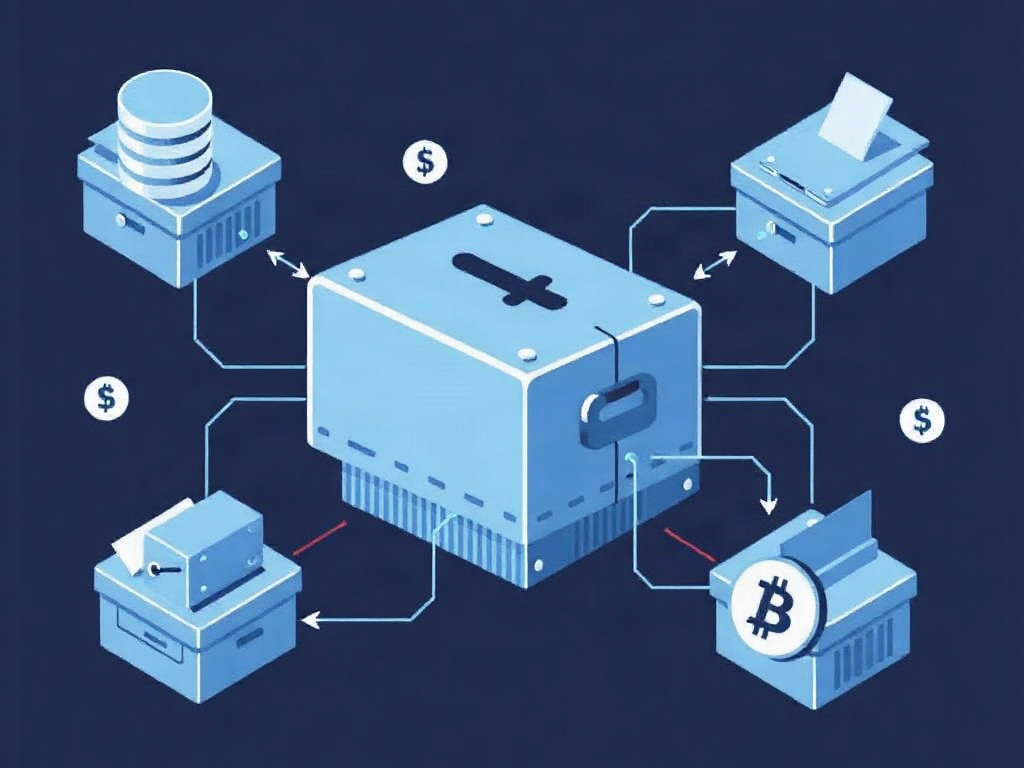
A BTC mixer, also known as a tumbler, is a service designed to enhance the privacy of Bitcoin transactions. By mixing or "tumbling" coins, these services break the direct link between the sender and receiver, making it difficult to trace the origin of funds. The process typically involves sending Bitcoin to the mixer, which then redistributes it to multiple users in smaller, randomized amounts. This obfuscation technique is particularly popular among users who prioritize financial confidentiality.
- How it works: Users deposit Bitcoin into the mixer, which then combines it with other users' funds before sending it back in a different form.
- Key feature: BTC mixers often require users to wait for a certain period before receiving their funds, adding an extra layer of delay to further obscure transaction patterns.
What is an XMR Swap?
An XMR swap refers to the process of exchanging Monero (XMR) for another cryptocurrency, often with the goal of enhancing privacy. Monero is inherently privacy-focused, using advanced cryptographic techniques to anonymize transactions. However, swapping XMR for another asset can sometimes be used as a method to further obscure the transaction trail, especially when combined with other privacy tools. Unlike BTC mixers, XMR swaps do not involve a third-party service but rather rely on the inherent properties of Monero’s blockchain.
- Privacy mechanism: Monero’s ring signatures and stealth addresses ensure that transactions are untraceable by default.
- Use case: XMR swaps are often employed by users who want to move funds between different privacy coins or integrate XMR into a broader portfolio.
Key Differences Between BTC Mixer and XMR Swap
Anonymity and Privacy
When comparing BTC mixer vs XMR swap, the level of anonymity each provides is a critical factor. BTC mixers rely on external services to obscure transaction data, which can introduce risks if the mixer is compromised or operates with malicious intent. In contrast, XMR swaps leverage Monero’s built-in privacy features, which are mathematically secure and do not depend on third-party trust. This makes XMR swaps a more decentralized and potentially safer option for users concerned about long-term privacy.
Transaction Speed and Efficiency
The speed of transactions is another area where BTC mixer and XMR swap differ significantly. BTC mixers often require users to wait for a mixing cycle, which can take anywhere from a few minutes to several hours. This delay is intentional to prevent immediate tracing of funds. On the other hand, XMR swaps can be executed almost instantly, especially when using decentralized exchanges or peer-to-peer platforms. However, the speed of XMR swaps may come at the cost of reduced privacy if not combined with additional measures.
Security Features
Security is a paramount concern in any privacy tool. BTC mixers, while effective in masking transaction trails, are vulnerable to hacking or regulatory scrutiny. Some mixers have been shut down due to legal issues, which can compromise user funds. XMR swaps, however, benefit from Monero’s robust cryptographic framework. Since Monero is designed to be resistant to quantum computing attacks and other advanced threats, XMR swaps offer a higher level of security. That said, users must still exercise caution when choosing platforms for XMR swaps to avoid scams or unreliable services.
Cost Comparison
The cost associated with BTC mixer vs XMR swap can vary widely. BTC mixers often charge fees for their services, which can range from 1% to 5% of the transaction amount. These fees are typically non-negotiable and can add up for frequent users. XMR swaps, on the other hand, may involve lower fees, especially when using decentralized exchanges. However, the cost of swapping can depend on market conditions and the specific platform used. Users should weigh these costs against the level of privacy they require before deciding between the two options.
Use Cases and Scenarios
When to Use a BTC Mixer
A BTC mixer is ideal for users who need to obscure the origin of their Bitcoin funds. This is particularly useful for individuals or businesses that want to avoid linking their transactions to specific addresses. For example, a user who receives Bitcoin from a public source might use a mixer to ensure that the funds cannot be traced back to their original wallet. Additionally, BTC mixers are often preferred by those who are not familiar with the technical aspects of privacy coins like Monero.
- Best for: Users who prioritize simplicity and do not want to manage complex privacy tools.
- Limitations: BTC mixers may not offer the same level of privacy as XMR swaps, especially if the mixer is not fully trustworthy.
When to Opt for an XMR Swap
An XMR swap is a better choice for users who are already using Monero or want to integrate it into their portfolio. Since Monero is inherently private, swapping XMR for another asset can help maintain anonymity without relying on third-party services. This is particularly beneficial for users who want to avoid the risks associated with BTC mixers. For instance, a user who holds XMR might swap it for Bitcoin to take advantage of lower transaction fees while still preserving privacy through the swap process.
- Advantages: XMR swaps provide a decentralized and mathematically secure method of privacy.
- Considerations: Users must ensure they are using reputable platforms to avoid losing funds during the swap.
Security Considerations
How Each Protects User Data
Both BTC mixer and XMR swap aim to protect user data, but their approaches differ. BTC mixers protect data by breaking the link between sender and receiver, but this protection is only as strong as the mixer’s security. If a mixer is hacked or operates with malicious intent, user funds could be at risk. XMR swaps, however, rely on Monero’s cryptographic protocols, which are designed to be resistant to external attacks. This makes XMR swaps a more secure option for users who want to minimize their exposure to third-party vulnerabilities.
Risks Involved
Despite their benefits, both BTC mixer vs XMR swap come with inherent risks. BTC mixers are often targeted by regulators due to their association with illicit activities. Users who rely on mixers may face legal consequences if their transactions are traced. XMR swaps, while more secure, are not immune to risks such as exchange hacks or phishing attacks. Additionally, the volatility of cryptocurrency markets can lead to financial losses during swaps. Users must conduct thorough research and use trusted platforms to mitigate these risks.
Best Practices for Safe Usage
To maximize the effectiveness of either BTC mixer or XMR swap, users should follow best practices. For BTC mixers, it is essential to choose a reputable service with a proven track record. Users should also consider using multiple mixers in sequence to enhance privacy. For XMR swaps, selecting a secure exchange or decentralized platform is crucial. Additionally, users should always verify the legitimacy of any service before proceeding with a transaction. Regularly updating security measures and staying informed about the latest developments in privacy tools can further enhance safety.
The Future of Privacy Solutions
The debate between BTC mixer vs XMR swap is likely to continue as the crypto industry evolves. With increasing regulatory scrutiny and advancements in blockchain technology, both methods will need to adapt. BTC mixers may face more challenges due to their reliance on third-party services, while XMR swaps could benefit from improved integration with other privacy coins. As users become more aware of the importance of privacy, the demand for secure and efficient solutions will drive innovation in this space. Whether you choose a BTC mixer or an XMR swap, the key is to understand your specific needs and the trade-offs involved in each method.
In conclusion, the choice between a BTC mixer and an XMR swap depends on factors such as the level of privacy required, the user’s technical expertise, and the associated risks. While BTC mixers offer a straightforward way to obscure Bitcoin transactions, XMR swaps provide a more decentralized and secure alternative. By carefully evaluating these options and staying informed about the latest trends, users can make decisions that align with their privacy goals and security requirements.
BTC Mixer vs XMR Swap: Evaluating Privacy, Risk, and Practicality in Modern Crypto Strategies
As a Senior Crypto Market Analyst with over 12 years of experience in digital asset analysis, I’ve observed that the choice between a BTC mixer and an XMR swap often hinges on an individual’s or institution’s specific privacy needs and risk tolerance. A BTC mixer, or tumbler, is designed to obscure the transaction trail of Bitcoin by breaking up and redistributing funds across multiple addresses. This can be effective for users seeking to enhance anonymity, but it’s not without drawbacks. The effectiveness of a BTC mixer depends heavily on the platform’s security, as centralized mixers may still be vulnerable to regulatory scrutiny or hacking. On the other hand, an XMR swap involves exchanging Monero (XMR) for another asset, leveraging Monero’s inherent privacy features. Unlike Bitcoin, XMR is designed to be untraceable by default, making swaps a more streamlined solution for privacy-focused users. However, the risk here lies in the counterparty involved in the swap—whether it’s a decentralized exchange or a centralized platform—each carrying its own set of vulnerabilities.
From a practical standpoint, the BTC mixer vs XMR swap debate often comes down to use cases. For instance, a user prioritizing transaction obfuscation might opt for a BTC mixer, especially if they’re dealing with large sums where even minor traceability could be problematic. However, I’ve seen cases where mixers are flagged by compliance tools due to their association with illicit activity, which can lead to account freezes or legal complications. Conversely, XMR swaps offer a more seamless privacy solution, particularly for those already holding Monero. The key advantage here is that XMR’s privacy is built into its protocol, reducing reliance on third-party services. That said, swaps aren’t without risks. Market volatility, liquidity issues on certain platforms, and potential regulatory actions against XMR itself—though less common than with Bitcoin—can all impact the viability of such swaps. Institutions, in particular, must weigh these factors carefully, as their compliance requirements often clash with the anonymity these tools provide.
Ultimately, the decision between a BTC mixer and an XMR swap should align with a user’s broader crypto strategy. For retail users, XMR swaps might offer a more user-friendly and secure path to privacy, especially as mixer services face increasing regulatory pressure. However, for those with specific needs—like high-value transactions requiring layered anonymity—a well-vetted BTC mixer could still be justified. As the crypto landscape evolves, I expect both tools to adapt. Regulatory clarity around privacy coins and mixers will likely shape their future, but for now, the BTC mixer vs XMR swap comparison remains a nuanced one, requiring careful consideration of technical, legal, and operational factors. My advice? Always audit the platforms you use, understand the risks, and stay ahead of regulatory shifts—privacy in crypto is not a static state.”