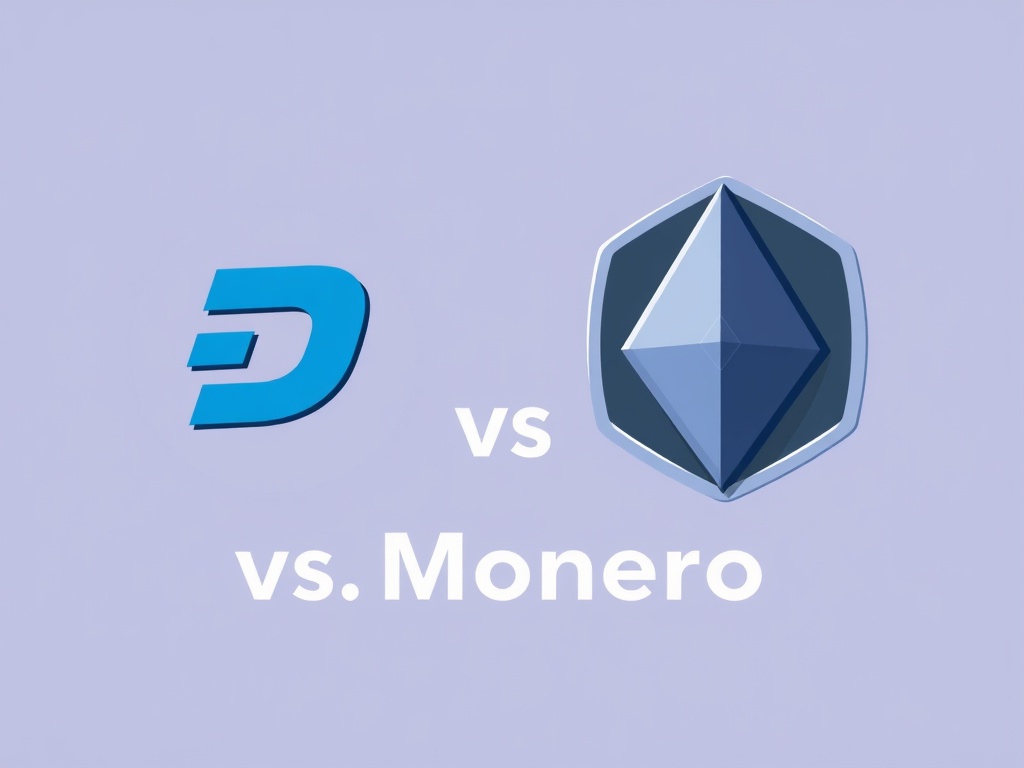
The digital currency landscape is constantly evolving, with privacy-focused technologies playing a critical role in safeguarding user anonymity. Among the most prominent tools in this space are Dash PrivateSend and Monero, both designed to enhance transaction confidentiality. However, when evaluating their effectiveness within the context of platforms like BTCMixer, the differences between these two solutions become increasingly significant. This article explores the nuances of Dash PrivateSend vs Monero, examining their technical foundations, privacy mechanisms, and practical applications in the BTCMixer ecosystem. By understanding these distinctions, users can make informed decisions about which tool aligns best with their security and anonymity needs.
Understanding Dash PrivateSend and Monero: Core Privacy Features
How PrivateSend Works in Dash
Dash PrivateSend is a privacy feature integrated into the Dash cryptocurrency, designed to obscure transaction details and protect user identities. Unlike traditional blockchain transactions, which are fully transparent, PrivateSend employs a multi-step process to anonymize transfers. When a user initiates a PrivateSend transaction, the system aggregates multiple small amounts from different senders into a single, larger transaction. This process, known as coin mixing, makes it difficult to trace the origin of funds. Additionally, PrivateSend uses Dash PrivateSend to ensure that the recipient’s address is not directly linked to the sender’s identity. This method is particularly useful for users who prioritize discretion in their financial activities, especially on platforms like BTCMixer where anonymity is paramount.
- Key Advantages: Aggregation of funds, obfuscation of transaction trails, and reduced risk of address linkage.
- Limitations: Requires user participation in the PrivateSend network, which may involve additional steps or fees.
Monero’s Built-in Privacy Mechanisms
Monero, on the other hand, is a cryptocurrency that prioritizes privacy by default. Unlike Dash, which relies on optional features like PrivateSend, Monero’s protocol is inherently designed to conceal transaction details. This is achieved through three core technologies: ring signatures, stealth addresses, and confidential transactions. Ring signatures allow a transaction to be signed by a group of users, making it impossible to determine which specific individual initiated the transfer. Stealth addresses generate unique, one-time addresses for each transaction, ensuring that the recipient’s address cannot be traced back to the sender. Confidential transactions, meanwhile, hide the exact amount being transferred, further enhancing privacy. These features make Monero a robust choice for users seeking maximum anonymity, particularly in environments like BTCMixer where transaction transparency is a concern.
- Ring signatures provide plausible deniability by mixing the sender’s identity with others.
- Stealth addresses ensure that each transaction uses a unique recipient address.
- Confidential transactions obscure the value of the transfer.
Privacy in Action: Dash PrivateSend vs Monero in BTCMixer Context
BTCMixer Integration with PrivateSend
For users of BTCMixer, the integration of Dash PrivateSend offers a practical way to enhance transaction privacy. BTCMixer is a service that allows users to mix their cryptocurrency to obscure the link between the original sender and recipient. When combined with Dash PrivateSend, this process becomes even more effective. By using PrivateSend before or after a BTCMixer transaction, users can further anonymize their funds. For instance, a user might first send Dash through PrivateSend to aggregate their coins, then use BTCMixer to mix them with other users’ funds. This layered approach significantly reduces the chances of tracing the original transaction. However, it’s important to note that PrivateSend requires active participation from users, which may not be as seamless as Monero’s automatic privacy features.
One of the key considerations here is the user experience. While PrivateSend provides strong privacy, it demands that users understand and engage with the process. In contrast, Monero’s privacy is automatic, making it more accessible for users who may not be technically inclined. This difference can influence how effectively BTCMixer users adopt these tools. For example, a user unfamiliar with PrivateSend might overlook its benefits, whereas Monero’s built-in features require no additional steps.
Monero’s Role in BTCMixer Transactions
Monero’s inherent privacy features make it a natural fit for BTCMixer transactions. Since Monero transactions are already anonymous by design, using BTCMixer with Monero adds an extra layer of security. This is particularly advantageous for users who want to minimize their digital footprint without relying on third-party services. For instance, a user could send Monero directly to BTCMixer, where it would be mixed with other users’ funds. Because Monero’s protocol already obscures transaction details, the mixing process further enhances anonymity without requiring additional steps. This makes Monero a preferred choice for users who prioritize simplicity and maximum privacy in their BTCMixer activities.
- Advantages of Monero in BTCMixer: Automatic privacy, no need for user intervention, and seamless integration with mixing services.
- Potential Drawbacks: Monero’s privacy features may be more complex to understand for new users, and its adoption is not as widespread as Dash.
Security and Anonymity: A Comparative Analysis
Security Measures of PrivateSend
The security of Dash PrivateSend relies heavily on its ability to aggregate and obscure transactions. However, this process is not without risks. If a user fails to properly configure PrivateSend or if the network is compromised, the anonymity of the transaction could be jeopardized. Additionally, PrivateSend’s effectiveness depends on the number of participants in the network. A smaller user base may reduce the effectiveness of coin mixing, making it easier for adversaries to trace transactions. In the context of BTCMixer, where users often seek to protect their identities, these limitations could be a concern. Nevertheless, when used correctly, PrivateSend offers a viable solution for enhancing privacy, especially for those who are already familiar with the Dash ecosystem.
Another aspect to consider is the trust model of PrivateSend. Since it is a feature of the Dash network, users must trust the integrity of the network itself. Any vulnerabilities or malicious actors within the PrivateSend system could undermine its security. This is a critical point for BTCMixer users, who may be wary of relying on a third-party service for their privacy. In contrast, Monero’s security is built into its protocol, reducing the need for external trust.
Monero’s Security Advantages
Monero’s security model is designed to be robust and resistant to various forms of attack. Its use of ring signatures, stealth addresses, and confidential transactions creates a multi-layered defense against tracking. Unlike PrivateSend, which requires user participation, Monero’s privacy is automatic, reducing the risk of human error. This makes Monero a more secure option for users who may not have the technical expertise to configure PrivateSend effectively. Additionally, Monero’s open-source nature allows for continuous scrutiny by the community, which can help identify and address potential vulnerabilities.
In the context of BTCMixer, Monero’s security advantages are particularly relevant. Since BTCMixer involves mixing funds with others, the inherent privacy of Monero ensures that even after mixing, the transaction remains difficult to trace. This is a significant benefit for users who want to maximize their anonymity without relying on additional tools. However, it’s worth noting that Monero’s privacy features are not foolproof. While they make tracking transactions extremely difficult, they are not entirely impossible, especially if an adversary has access to significant computational resources.
Choosing the Right Privacy Tool for Your Needs
Factors to Consider When Using BTCMixer
When deciding between Dash PrivateSend and Monero for use with BTCMixer, several factors should be taken into account. First, the user’s technical proficiency plays a crucial role. PrivateSend requires a certain level of understanding to configure and use effectively, whereas Monero’s privacy is automatic. For users who are new to cryptocurrency or prefer a more straightforward approach, Monero may be the better choice. On the other hand, users who are comfortable with technical processes and want to leverage the Dash ecosystem may find PrivateSend more suitable.
Another important consideration is the level of privacy required. If a user is operating in a high-risk environment or needs maximum anonymity, Monero’s built-in features may offer a more comprehensive solution. However, if the user is primarily concerned with integrating with the Dash network or using BTCMixer for specific purposes, PrivateSend could provide the necessary privacy without the need to switch to a different cryptocurrency.
User Scenarios and Recommendations
To illustrate the practical applications of Dash PrivateSend vs Monero, consider the following scenarios. A user who frequently uses BTCMixer to conduct transactions for privacy-sensitive activities, such as purchasing goods or services, may benefit from Monero’s automatic privacy. This is especially true if the user is not comfortable with the technical aspects of PrivateSend. Conversely, a user who is already part of the Dash community and wants to maintain consistency across their transactions might prefer PrivateSend, as it allows them to stay within the same ecosystem while enhancing privacy.
For example, a user who sends Dash through PrivateSend before using BTCMixer can ensure that their funds are aggregated and obscured before mixing. This two-step process can provide an additional layer of security. However, if the same user were to use Monero, they could achieve similar results with less effort, as Monero’s privacy is inherent to the currency itself.
It’s also worth noting that the choice between these tools may depend on the specific requirements of the BTCMixer service being used. Some platforms may have better integration with one tool over the other, which could influence the decision. Users should research the compatibility of their chosen BTCMixer service with either PrivateSend or Monero to optimize their privacy strategy.
In conclusion, the decision between Dash PrivateSend and Monero for BTCMixer use depends on a combination of factors, including technical expertise, privacy requirements, and the specific context of the user’s activities. Both tools offer strong privacy features, but their effectiveness can vary based on how they are implemented and the user’s familiarity with the underlying technologies.
Dash PrivateSend vs Monero: A Strategic Analysis of Privacy Protocols in the Digital Asset Landscape
As a quantitative analyst with a focus on digital assets, I’ve spent considerable time evaluating privacy-centric cryptocurrencies, particularly in the context of Dash PrivateSend and Monero. Both protocols aim to enhance transaction confidentiality, but their approaches, adoption rates, and practical implications differ significantly. From a strategic perspective, the choice between Dash PrivateSend and Monero often hinges on specific use cases, risk tolerance, and the balance between privacy and scalability. While Monero is widely regarded as the gold standard for privacy due to its ring signatures and stealth addresses, Dash PrivateSend offers a more modular and integrated solution within the Dash ecosystem. This distinction is critical for investors or users who must weigh technical robustness against ecosystem maturity and real-world utility.
Practically, Monero’s privacy features are deeply embedded in its protocol, making it inherently resistant to blockchain analysis without advanced tools. However, this comes with trade-offs, such as higher computational demands and slower transaction speeds compared to Dash PrivateSend. Dash PrivateSend, on the other hand, leverages its existing infrastructure to provide optional privacy features, which can be more accessible for users familiar with the Dash network. For instance, businesses or developers targeting the Dash ecosystem may find PrivateSend more practical due to its seamless integration and lower barriers to adoption. That said, Monero’s decentralized governance and stronger privacy guarantees make it a preferable choice for users prioritizing absolute anonymity, even if it means sacrificing some efficiency. The key takeaway here is that neither protocol is universally superior; the decision should align with specific operational or financial objectives.
From a market microstructure standpoint, the competition between Dash PrivateSend and Monero reflects broader trends in the digital asset space. Monero’s privacy-centric model has attracted a niche but loyal user base, particularly in regions with stringent financial regulations. Conversely, Dash PrivateSend benefits from the Dash network’s focus on merchant adoption and faster transaction finality, which could drive broader usage in commercial applications. As a strategist, I advise clients to consider these factors when constructing portfolios or deploying privacy tools. For example, a diversified approach might include both protocols to hedge against regulatory shifts or technological advancements. Ultimately, the debate between Dash PrivateSend and Monero isn’t just about technical specifications—it’s about understanding how each protocol aligns with evolving privacy demands and market dynamics in the digital asset era."