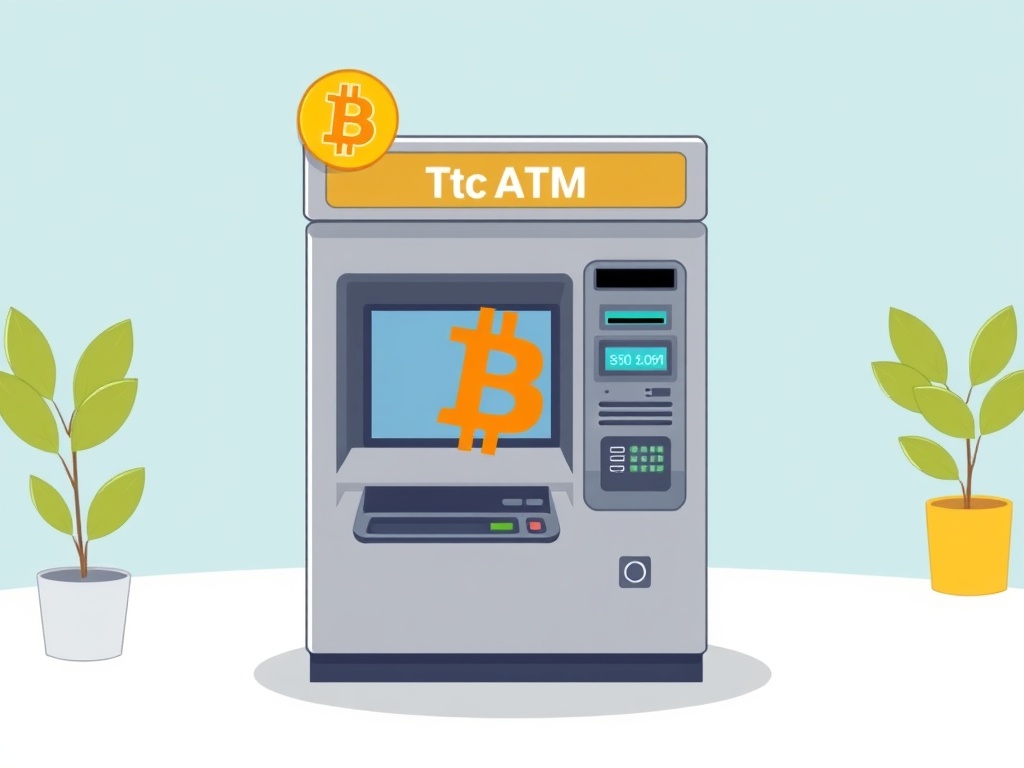
In the rapidly evolving world of cryptocurrency, Bitcoin ATMs have become a popular way to buy and sell digital assets. However, many users are concerned about the level of verification required during transactions. Full verification typically involves identity checks, such as scanning a government-issued ID or using biometric data. For some, this process can feel intrusive or time-consuming. This article explores the concept of using a Bitcoin ATM without full verification, its implications, and the methods that might allow users to bypass or minimize this requirement. While the idea of avoiding full verification may seem appealing, it is crucial to understand the risks and legal considerations involved.
Understanding Full Verification at Bitcoin ATMs
Full verification at Bitcoin ATMs is designed to comply with anti-money laundering (AML) and know-your-customer (KYC) regulations. These measures are mandated by financial authorities to prevent illicit activities, such as money laundering or fraud. When a user initiates a transaction, the ATM may require them to provide personal information, such as their name, address, and a government-issued ID. Some ATMs also use facial recognition or fingerprint scans to confirm the user’s identity. This process ensures that the transaction is traceable and reduces the risk of abuse.
Why Full Verification Exists
- Regulatory Compliance: Financial institutions and ATM operators must adhere to strict regulations to avoid legal penalties.
- Security Measures: Full verification helps prevent unauthorized access and reduces the likelihood of fraudulent transactions.
- Transparency: It allows authorities to track transactions, which is essential for combating criminal activities.
The Trade-Off Between Convenience and Security
While full verification enhances security, it can also be a barrier for users who prioritize speed or privacy. For instance, someone in a hurry might find the ID scanning process inconvenient. Others may be concerned about sharing personal data with third parties. This tension between convenience and security is a key reason why some users seek alternatives to full verification.
Is It Possible to Use a Bitcoin ATM Without Full Verification?
The short answer is: it depends. Some Bitcoin ATMs may offer limited verification options, especially for smaller transactions. However, most reputable ATMs require full verification for larger amounts to comply with legal standards. Users who attempt to bypass full verification may face technical limitations, legal consequences, or security risks. It is important to note that attempting to circumvent verification processes can violate the terms of service of the ATM operator and local laws.
Types of Bitcoin ATMs and Their Verification Requirements
- Low-Value ATMs: Some ATMs may allow purchases below a certain threshold (e.g., $200) with minimal verification. These are often found in less regulated areas or operated by smaller businesses.
- High-Value ATMs: These typically require full verification for all transactions, regardless of amount, to meet regulatory standards.
- Third-Party ATMs: Some ATMs operated by third-party services might have varying verification levels, but this is not guaranteed.
Risks of Avoiding Full Verification
Attempting to use a Bitcoin ATM without full verification can expose users to several risks. First, there is the possibility of being denied service or having the transaction reversed. Second, users may inadvertently violate laws related to financial transactions, leading to fines or legal action. Third, bypassing verification could compromise the security of the transaction, making it easier for malicious actors to exploit the system. It is essential to weigh these risks against the perceived benefits of avoiding verification.
Methods to Minimize or Avoid Full Verification
While full verification is the standard, there are scenarios where users might find ways to reduce the level of verification required. These methods are not guaranteed and should be approached with caution. It is important to remember that any attempt to bypass verification should be done within the bounds of the law and the ATM operator’s policies.
Using ATMs with Lower Verification Thresholds
Some Bitcoin ATMs are designed for smaller transactions and may require less stringent verification. For example, an ATM that allows purchases up to $500 might only ask for a phone number or a basic ID check. Users should research local ATMs and their specific requirements before attempting a transaction. However, even these ATMs may still require some form of verification, so it is not a complete bypass.
Leveraging Third-Party Services
In some cases, users might use third-party services that act as intermediaries between the user and the Bitcoin ATM. These services could potentially reduce the need for direct verification. However, this approach introduces additional risks, such as the potential for fraud or data breaches. It is crucial to vet any third-party service thoroughly before using it.
Alternative Payment Methods
Another way to avoid full verification is to use alternative payment methods that do not require direct interaction with a Bitcoin ATM. For instance, users could transfer Bitcoin through a peer-to-peer (P2P) platform or a cryptocurrency exchange. While this does not involve a Bitcoin ATM, it achieves a similar goal of facilitating transactions without the need for in-person verification. However, this method also has its own set of risks, including the potential for hacking or scams.
Privacy-Focused ATMs
Some Bitcoin ATMs are marketed as privacy-focused, offering reduced verification requirements. These ATMs may be operated by companies that prioritize user anonymity. However, it is important to verify the legitimacy of such ATMs, as they may not comply with all regulatory standards. Users should research the operator’s reputation and ensure they are using a trusted service.
Legal and Ethical Considerations
Using a Bitcoin ATM without full verification raises significant legal and ethical questions. Financial regulations are in place to protect both users and the integrity of the financial system. Bypassing these requirements can be seen as an attempt to evade oversight, which may have serious consequences. Additionally, from an ethical standpoint, users should consider the broader impact of their actions. If everyone avoided verification, it could undermine the security and trust that underpin cryptocurrency transactions.
Legal Risks of Avoiding Verification
In many jurisdictions, financial transactions above a certain threshold require identification. Failing to comply with these requirements can result in legal penalties, including fines or criminal charges. For example, in the United States, the Bank Secrecy Act mandates that financial institutions report suspicious activities. If a user is caught attempting to bypass verification, they could face legal action from both the ATM operator and regulatory authorities.
Ethical Implications
From an ethical perspective, avoiding full verification may be seen as a form of dishonesty. Users who choose to bypass verification are essentially opting out of the safeguards designed to protect the system. This could encourage bad actors to exploit the system, leading to increased fraud or money laundering. It is important for users to reflect on their motivations and consider the potential consequences of their actions.
Best Practices for Using Bitcoin ATMs Safely
While the idea of using a Bitcoin ATM without full verification may be tempting, it is generally advisable to follow the standard verification process. This ensures that transactions are secure, legal, and compliant with regulations. However, if a user is determined to minimize verification, there are best practices they can follow to reduce risks.
Research the ATM Operator
Before using any Bitcoin ATM, users should research the operator’s reputation and compliance with local laws. Reputable operators are more likely to have secure systems and transparent verification processes. Users should avoid ATMs operated by unknown or untrusted entities, as these may pose higher risks.
Use a Trusted Wallet
When using a Bitcoin ATM, it is essential to have a secure and trusted wallet. A compromised wallet could lead to the loss of funds, regardless of the verification process. Users should ensure their wallet is protected with strong passwords, two-factor authentication, and regular backups.
Be Aware of Transaction Limits
Understanding the transaction limits of a Bitcoin ATM can help users plan their activities. Some ATMs may allow smaller transactions with less verification, while others require full checks for all amounts. Users should be aware of these limits and adjust their plans accordingly.
Stay Informed About Regulations
Cryptocurrency regulations are constantly evolving. Users should stay updated on the latest laws and guidelines in their region. This knowledge can help them make informed decisions about how to use Bitcoin ATMs and avoid potential legal issues.
Conclusion: Balancing Convenience and Security
Using a Bitcoin ATM without full verification is a complex issue that involves trade-offs between convenience and security. While it may be possible to reduce verification requirements in certain scenarios, it is not without risks. Users should carefully consider the legal, ethical, and security implications of their actions. For most users, following the standard verification process is the safest and most responsible approach. However, those who choose to explore alternatives should do so with a thorough understanding of the potential consequences. Ultimately, the goal should be to facilitate secure and compliant transactions while respecting the principles of financial regulation and user safety.
In summary, the concept of using a Bitcoin ATM without full verification is not a straightforward solution. It requires a nuanced understanding of the technology, regulations, and risks involved. By staying informed and making responsible choices, users can navigate the world of Bitcoin ATMs with confidence and security.
Use a Bitcoin ATM Without Full Verification: A Web3 Perspective on Risk and Innovation
As a DeFi and Web3 analyst, I’ve observed a growing trend where users seek to bypass traditional verification processes when using a bitcoin ATM without full verification. This practice, while appealing for its speed and anonymity, raises significant concerns from both a security and regulatory standpoint. In the context of decentralized finance, where transparency and trust are paramount, circumventing verification mechanisms can undermine the very principles that make Web3 ecosystems resilient. Users might prioritize convenience over risk, but this approach often exposes them to vulnerabilities such as fraud, theft, or compliance breaches. It’s crucial to recognize that while the allure of minimal KYC (Know Your Customer) requirements is strong, the lack of oversight can lead to irreversible consequences, especially in a space where irreversible transactions are the norm.
Practically, using a bitcoin ATM without full verification may seem like a shortcut, but it’s a high-risk gamble. For instance, unregulated ATMs might not adhere to anti-money laundering (AML) protocols, making them attractive to malicious actors. From a DeFi perspective, this behavior could erode user trust in decentralized systems, as it mirrors centralized risks that Web3 aims to eliminate. However, there are scenarios where this practice might be justified, such as in regions with limited financial infrastructure or for users prioritizing privacy. Still, I advise caution: users should weigh the trade-offs between anonymity and security. Educating users about the potential pitfalls—like the inability to dispute fraudulent transactions or the risk of losing funds permanently—is essential. The key takeaway is that while innovation in Web3 should empower users, it must not come at the cost of their financial safety.
Ultimately, the decision to use a bitcoin ATM without full verification reflects broader tensions in the Web3 space between decentralization and regulation. As an analyst, I advocate for a balanced approach where users are informed about the risks and empowered to make choices aligned with their risk tolerance. For developers and platforms, this means designing systems that offer flexibility without compromising security. The future of DeFi and Web3 hinges on fostering trust through transparency, not by enabling practices that replicate the flaws of traditional finance. While the keyword "use a bitcoin ATM without full verification" highlights a specific use case, its implications extend to how we conceptualize trust, privacy, and risk in decentralized ecosystems. Users must remain vigilant, and the community must continue to innovate responsibly to mitigate such risks.