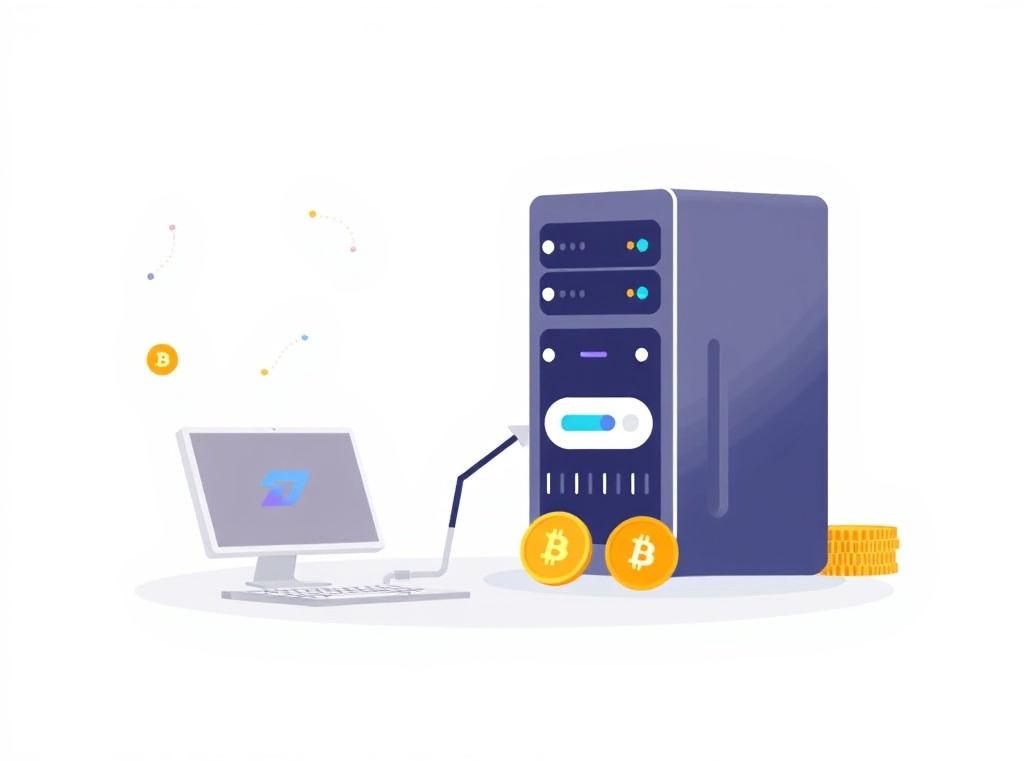
Understanding Electrum and Its Server Functionality
When you decide to use your own Electrum server, you’re taking a significant step toward greater control over your Bitcoin transactions. Electrum is a lightweight Bitcoin wallet that operates on a server-based model, allowing users to interact with the Bitcoin network without relying on centralized services. This decentralized approach is particularly appealing for those prioritizing privacy and security. But what exactly does an Electrum server do, and why is it worth setting up your own?
What is Electrum?
Electrum is an open-source Bitcoin wallet that uses a client-server architecture. Unlike full-node wallets, which require downloading the entire Bitcoin blockchain, Electrum connects to a server that hosts a copy of the blockchain. This reduces the storage and processing demands on the user’s device, making it faster and more efficient. The server acts as an intermediary, handling tasks like transaction verification and balance checks. For users who want to use your own Electrum server, this means you can host the server locally or on a private network, eliminating dependence on third-party services.
The Role of an Electrum Server
An Electrum server is responsible for managing the wallet’s connection to the Bitcoin network. It stores a copy of the blockchain, verifies transactions, and ensures that the wallet’s data remains up-to-date. When you use your own Electrum server, you gain full control over this process. This is especially important for users who want to avoid potential vulnerabilities associated with third-party servers. By hosting your own server, you can tailor its configuration to meet specific security or privacy requirements, such as encrypting data or restricting access to trusted devices.
Why Use Your Own Electrum Server?
Opting to use your own Electrum server offers several advantages, particularly for users who value privacy, security, and customization. While third-party servers are convenient, they often come with risks such as data breaches, service outages, or lack of transparency. By hosting your own server, you eliminate these risks and create a more secure environment for your Bitcoin transactions.
Enhanced Privacy and Anonymity
One of the primary reasons to use your own Electrum server is to enhance your privacy. Third-party servers may log your transaction data or share it with external parties, compromising your anonymity. With a self-hosted server, you can ensure that all data remains within your control. You can also configure the server to use advanced privacy features, such as mixing services or Tor integration, to further obscure your transaction history. This level of control is crucial for users who want to maintain a high degree of anonymity in their Bitcoin activities.
Greater Control Over Transactions
When you use your own Electrum server, you have complete control over how transactions are processed. You can set custom rules for transaction signing, adjust fee structures, or even implement unique validation processes. This flexibility is particularly valuable for businesses or individuals who handle large volumes of Bitcoin. For example, you can prioritize certain transactions or apply specific security protocols based on your needs. This level of customization is not possible with third-party servers, which often impose rigid limitations on user configurations.
Reduced Risk of Centralized Failures
Third-party servers are vulnerable to outages, hacks, or service disruptions. If the server you rely on goes down, you may lose access to your funds or be unable to process transactions. By using your own Electrum server, you mitigate these risks. A self-hosted server is entirely under your control, meaning you can ensure its uptime and security. Additionally, you can implement redundancy measures, such as backup servers or failover systems, to maintain continuous operation even in the event of a failure.
Setting Up Your Own Electrum Server
Setting up your own Electrum server requires careful planning and technical knowledge. However, the process is manageable for users with basic IT skills. The key steps involve selecting appropriate hardware, installing the necessary software, and configuring the server to meet your specific requirements. Once set up, your server will act as a secure and private gateway to the Bitcoin network.
Hardware Requirements
Before you begin, you need to ensure you have the right hardware to host your Electrum server. While the server doesn’t require high-end specifications, it’s important to choose a reliable machine. A dedicated server or a powerful personal computer with sufficient RAM and storage is ideal. For example, a server with at least 8GB of RAM and 50GB of storage should suffice for most users. If you plan to host multiple wallets or handle high transaction volumes, you may need more robust hardware. Additionally, consider using a server with a static IP address to avoid potential connectivity issues.
Software Installation
Once your hardware is ready, the next step is to install the Electrum server software. Electrum is open-source, so you can download the latest version from its official repository. The installation process typically involves extracting the files and running the server executable. You may also need to install additional dependencies, such as a database server (e.g., MySQL or PostgreSQL) to store wallet data. It’s crucial to follow the official documentation to ensure a smooth installation. After installation, you’ll need to configure the server settings, including the port number, database connection details, and security parameters.
Configuration Steps
Configuring your Electrum server is where the real customization begins. Start by setting up the server’s network settings, such as the listening port and IP address. You can choose to host the server locally or expose it to the internet via a dynamic DNS service. Next, configure the database to store wallet information securely. It’s recommended to use encryption for the database to protect sensitive data. Additionally, set up user authentication mechanisms, such as strong passwords or two-factor authentication, to prevent unauthorized access. Finally, test the server by connecting a wallet client to ensure it functions correctly. This step is critical to verify that your server is ready for use.
Testing and Maintenance
After configuration, thorough testing is essential to ensure your server operates as expected. Use a test wallet to simulate transactions and verify that the server processes them correctly. Monitor the server’s performance and check for any errors or security vulnerabilities. Regular maintenance is also necessary to keep your server running smoothly. This includes updating the software to the latest version, applying security patches, and backing up data regularly. By maintaining your server, you ensure its long-term reliability and security, which is vital when you use your own Electrum server for critical transactions.
Security Considerations When Using Your Own Electrum Server
While hosting your own Electrum server offers numerous benefits, it also introduces new security challenges. Ensuring the server is protected from threats is crucial to maintaining the integrity of your Bitcoin transactions. This involves implementing robust security measures, such as encryption, access controls, and regular audits. By addressing these concerns, you can create a secure environment that aligns with your privacy and security goals.
Encrypting Your Server
Encryption is a fundamental aspect of securing your Electrum server. When you use your own Electrum server, you should encrypt all data stored on the server, including wallet information and transaction logs. This can be achieved by using strong encryption algorithms, such as AES-256, to protect sensitive data. Additionally, ensure that all communications between the server and client are encrypted using protocols like SSL/TLS. This prevents eavesdropping and ensures that your data remains confidential. Without proper encryption, your server could be vulnerable to data breaches, which would undermine the privacy benefits of self-hosting.
Implementing Access Controls
Access controls are another critical security measure when you use your own Electrum server. You should restrict access to the server to only authorized users or devices. This can be done by setting up strong password policies, using IP whitelisting, or implementing two-factor authentication. For example, you can configure the server to only accept connections from specific IP addresses, reducing the risk of unauthorized access. Additionally, consider using role-based access control (RBAC) to limit what users can do on the server. This ensures that even if an attacker gains access, their capabilities are limited, minimizing potential damage.
Regular Updates and Monitoring
Keeping your Electrum server up to date is essential for maintaining security. Software vulnerabilities are frequently discovered, and updates often include patches for these issues. When you use your own Electrum server, you must regularly check for and apply updates to the server software and dependencies. Additionally, implement monitoring tools to detect unusual activity, such as repeated failed login attempts or unexpected data transfers. Real-time monitoring allows you to respond quickly to potential threats, preventing them from escalating into serious security incidents. Regular audits of your server’s configuration and logs can also help identify and address security gaps proactively.
Advanced Features and Customizations for Your Electrum Server
Once your Electrum server is set up and secured, you can explore advanced features and customizations to further enhance its functionality. These features allow you to tailor the server to your specific needs, whether you’re using it for personal privacy, business transactions, or integration with other tools. By leveraging these advanced capabilities, you can maximize the benefits of using your own Electrum server in the btcmixer_en niche.
Integrating with Bitcoin Mixers
One of the most powerful applications of an Electrum server in the btcmixer_en niche is its integration with Bitcoin mixers. Bitcoin mixers, also known as tumblers, are services that obscure the transaction history of Bitcoin by mixing it with other funds. When you use your own Electrum server, you can configure it to work seamlessly with your preferred mixer. This integration allows you to automate the process of sending funds through the mixer, ensuring that your transactions remain private. For example, you can set up scripts that
Why Using Your Own Electrum Server is a Strategic Move for Crypto Investors
As a certified financial analyst with over a decade of experience advising both retail and institutional investors on cryptocurrency strategies, I’ve seen firsthand how critical security and control are in the digital asset space. When it comes to managing Bitcoin or other Electrum-compatible assets, the decision to “use your own Electrum server” isn’t just a technical choice—it’s a strategic one. For investors prioritizing autonomy over their funds, self-hosting an Electrum server offers unparalleled control over transaction privacy, wallet management, and data security. Unlike relying on third-party exchanges or custodial services, which introduce counterparty risks, a self-hosted server allows you to maintain direct oversight of your private keys and transaction history. This level of control is particularly valuable in an era where exchange hacks and regulatory uncertainties are persistent concerns. While setting up and maintaining a server requires technical diligence, the long-term benefits of reduced exposure to external vulnerabilities make it a compelling option for serious investors.
Practically speaking, using your own Electrum server empowers you to tailor the software to your specific needs. For instance, you can configure security protocols, optimize transaction speeds, or integrate advanced features like multi-signature wallets without relying on external providers. This flexibility is especially advantageous for institutional investors managing large portfolios, where customization and compliance with internal security standards are non-negotiable. However, it’s important to acknowledge the learning curve and ongoing maintenance required. Investors must ensure they have the technical expertise or support to manage server updates, backups, and potential cyber threats. That said, the peace of mind gained from eliminating third-party dependencies often outweighs these challenges. For those who value transparency and long-term asset sovereignty, self-hosting isn’t just a technical upgrade—it’s a foundational step in building a resilient crypto investment strategy.