In the evolving landscape of cryptocurrency, privacy remains a critical concern for users seeking to protect their financial activities. Two prominent solutions that have emerged to address this need are PayNym and stealth addresses. Both aim to enhance anonymity, but they operate differently and offer distinct levels of privacy. This article explores the nuances of PayNym vs stealth address privacy, examining their mechanisms, advantages, and limitations. By understanding these differences, users can make informed decisions about which method aligns best with their security requirements.
Understanding PayNym and Stealth Addresses
What is PayNym?
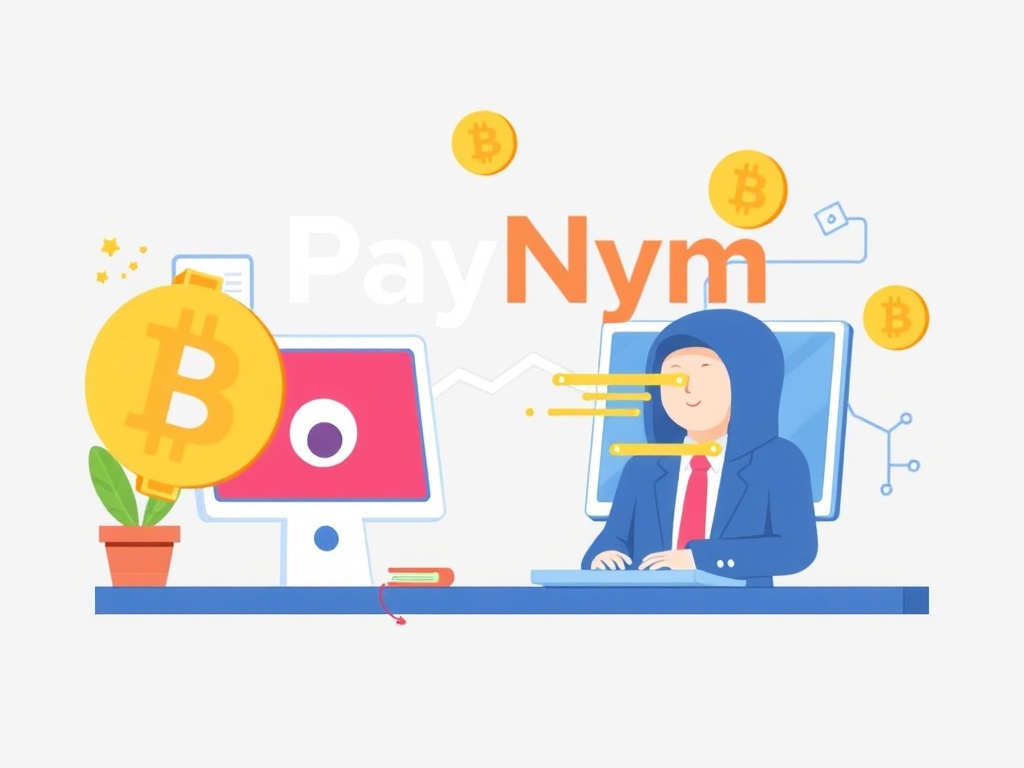
PayNym is a privacy-focused service designed to obscure the connection between a user’s Bitcoin address and their transaction history. It functions by generating a unique, temporary address for each transaction, ensuring that the sender’s original address remains hidden. This approach is particularly appealing to users who prioritize discretion in their cryptocurrency dealings. Unlike traditional Bitcoin transactions, which are publicly traceable on the blockchain, PayNym introduces an additional layer of obfuscation. The service is often integrated with Bitcoin mixers or tumblers, which further enhance privacy by breaking the link between input and output addresses. For users in the btcmixer_en niche, PayNym represents a valuable tool for maintaining confidentiality while utilizing mixing services.
What are Stealth Addresses?
Stealth addresses are a cryptographic technique that allows users to create unique, one-time addresses for each transaction. These addresses are not directly linked to the user’s primary wallet address, making it difficult for third parties to trace the flow of funds. When a user sends Bitcoin to a stealth address, the recipient’s public key is embedded in the transaction data, but the actual address remains hidden. This method is often used in privacy coins or advanced Bitcoin wallets that prioritize anonymity. Unlike PayNym, which relies on external services, stealth addresses are built into the protocol itself, offering a more decentralized approach to privacy. However, their effectiveness depends on the implementation and the user’s adherence to best practices.
How PayNym and Stealth Addresses Work
The Mechanics of PayNym
PayNym operates by acting as an intermediary between the user’s wallet and the blockchain. When a user initiates a transaction, PayNym generates a new, randomized address that is not associated with the user’s original wallet. This address is then used to send Bitcoin to the intended recipient. The key advantage of PayNym is its ability to decouple the sender’s identity from the transaction. Since the address is temporary and not stored in the user’s wallet, it becomes significantly harder to trace the transaction back to the sender. This process is particularly useful for users who want to avoid leaving a digital footprint. However, the effectiveness of PayNym depends on the reliability of the service provider. If the service is compromised, the privacy benefits could be negated. For those in the btcmixer_en space, PayNym can be a strategic addition to existing mixing solutions, offering an extra layer of security.
The Mechanics of Stealth Addresses
Stealth addresses function through a combination of cryptographic principles and wallet design. When a user creates a stealth address, the wallet generates a unique address for each transaction, which is derived from the recipient’s public key and a random nonce. This ensures that even if the recipient’s public key is known, the specific address used in a transaction remains hidden. The process involves hashing the recipient’s public key with a random value, resulting in a unique address that is only valid for that particular transaction. This method is inherently more secure than traditional addresses because it eliminates the need for a centralized service. However, it requires users to manage their keys carefully, as losing access to the private key could result in the loss of funds. For users who value decentralization, stealth addresses offer a robust alternative to services like PayNym.
Privacy Implications of PayNym vs Stealth Addresses
Anonymity Levels
The level of anonymity provided by PayNym and stealth addresses varies significantly. PayNym offers a high degree of privacy by masking the sender’s address through an external service. This makes it difficult for blockchain analysts to trace transactions back to the original user. However, the anonymity is contingent on the security of the PayNym service itself. If the service is hacked or compromised, the privacy benefits could be undermined. In contrast, stealth addresses provide a more intrinsic level of privacy by embedding the recipient’s address directly into the transaction data. This makes it inherently harder to link transactions to a single user, as each address is unique and temporary. While both methods enhance privacy, stealth addresses are generally considered more secure because they do not rely on third-party services. For users in the btcmixer_en niche, the choice between PayNym and stealth addresses may depend on their tolerance for third-party risk.
Risks and Vulnerabilities
Despite their privacy benefits, both PayNym and stealth addresses are not without risks. PayNym’s reliance on a centralized service introduces potential vulnerabilities. If the service is targeted by hackers or regulatory authorities, user data could be exposed. Additionally, if the service is not properly audited, there may be flaws in its implementation that could compromise privacy. Stealth addresses, while more decentralized, are not immune to risks either. If a user’s wallet is compromised, an attacker could potentially derive the private keys and access funds sent to stealth addresses. Furthermore, the effectiveness of stealth addresses depends on the user’s ability to generate and manage unique addresses for each transaction. A single mistake, such as reusing an address, could expose the user’s identity. These risks highlight the importance of understanding the trade-offs between convenience and security when choosing between PayNym and stealth addresses.
Use Cases for PayNym and Stealth Addresses
Everyday Users
For everyday users who prioritize convenience over maximum privacy, PayNym may be a more accessible option. Its integration with Bitcoin mixers and tumblers makes it easier to use, as users do not need to manage complex cryptographic processes. This makes PayNym particularly appealing to those who are new to privacy-focused tools. However, the trade-off is that users must trust the PayNym service provider, which could be a concern for those with high security requirements. Stealth addresses, on the other hand, require a deeper understanding of cryptographic principles and wallet management. While they offer stronger privacy, they may not be as user-friendly for those who are not technically inclined. In the btcmixer_en context, PayNym could be a good fit for users who want to enhance their privacy without the technical overhead of managing stealth addresses.
High-Risk Transactions
High-risk transactions, such as those involving large sums of money or sensitive information, may benefit more from stealth addresses. The inherent privacy of stealth addresses makes them less susceptible to tracking, which is crucial for users who need to maintain complete anonymity. PayNym, while effective, may not provide the same level of security in such scenarios. If the PayNym service is compromised, the entire transaction could be exposed. For users in high-risk environments, the added security of stealth addresses could be a deciding factor. However, the complexity of implementing stealth addresses may require additional resources or expertise. In the btcmixer_en niche, users handling high-value transactions might prefer stealth addresses to minimize the risk of exposure, even if it means dealing with more technical challenges.
Comparing PayNym and Stealth Addresses: Which Offers Better Privacy?
Key Differences
When comparing PayNym vs stealth address privacy, several key differences emerge. PayNym relies on an external service to generate temporary addresses, which introduces a layer of trust in the service provider. This can be a double-edged sword, as the security of PayNym depends on the integrity of the service. Stealth addresses, by contrast, are built into the wallet or protocol, eliminating the need for third-party involvement. This makes them more resilient to external attacks but requires users to handle cryptographic processes themselves. Another difference lies in their implementation. PayNym is often used in conjunction with Bitcoin mixers, enhancing its privacy benefits. Stealth addresses, however, are typically used in wallets that prioritize anonymity, such as those designed for privacy coins. The choice between the two may also depend on the user’s technical proficiency and their specific privacy needs.
When to Choose One Over the Other
Deciding between PayNym and stealth addresses depends on the user’s priorities. If convenience and ease of use are paramount, PayNym may be the better option. Its integration with existing services like Bitcoin mixers makes it a practical choice for users who want to enhance privacy without delving into complex technical details. However, for users who require maximum anonymity and are willing to manage the technical aspects, stealth addresses offer a more robust solution. In the btcmixer_en context, PayNym could be ideal for users who frequently use mixing services and want an additional layer of privacy. Stealth addresses, on the other hand, might be preferred by users who need to ensure that their transactions cannot be traced, even if it means dealing with more complex setup procedures. Ultimately, the decision should be based on a careful evaluation of the user’s risk tolerance, technical skills, and specific privacy requirements.
In conclusion, both PayNym and stealth addresses provide valuable tools for enhancing Bitcoin privacy. While PayNym offers a user-friendly approach with external service integration, stealth addresses deliver a more decentralized and inherently secure method. Understanding the nuances of PayNym vs stealth address privacy is essential for users navigating the complexities of cryptocurrency anonymity. By weighing the pros and cons of each method, users can select the solution that best aligns with their security goals and operational needs.
PayNym vs Stealth Address Privacy: Evaluating Trade-offs in Blockchain Anonymity Solutions
As a blockchain research director with a focus on privacy-centric technologies, I’ve spent considerable time analyzing tools like PayNym and stealth addresses. Both aim to enhance transactional anonymity, but their approaches differ significantly in design, implementation, and practical utility. PayNym, as a privacy protocol, leverages cryptographic techniques to obscure sender and receiver identities through layered pseudonyms, while stealth addresses generate unique, one-time addresses for each transaction. From a technical standpoint, PayNym’s strength lies in its ability to decouple identity from transaction data more dynamically, which could be advantageous in scenarios requiring frequent privacy updates. However, stealth addresses, though simpler in concept, have proven resilient in certain blockchain ecosystems due to their integration with existing protocols. The choice between them often hinges on the specific use case—whether prioritizing ease of adoption or advanced cryptographic safeguards.
Practically, PayNym’s complexity introduces both opportunities and challenges. Its reliance on multi-layered pseudonyms can complicate cross-chain interoperability, a critical factor given the fragmented nature of blockchain networks. In contrast, stealth addresses, while less flexible, offer a more straightforward implementation that aligns well with legacy systems. For instance, in a fintech application where users demand seamless privacy without technical overhead, stealth addresses might be preferable. However, in environments requiring granular control over privacy settings—such as decentralized finance (DeFi) platforms—PayNym’s adaptability could provide a competitive edge. That said, the trade-off isn’t just technical; regulatory scrutiny also plays a role. PayNym’s advanced features might attract more regulatory attention due to its potential for misuse, whereas stealth addresses, being more established, may face fewer compliance hurdles. Users must weigh these factors against their risk tolerance and operational needs.
Ultimately, neither PayNym nor stealth addresses offer a one-size-fits-all solution. The debate around PayNym vs stealth address privacy reflects broader tensions in blockchain design between innovation and practicality. While PayNym represents a forward-looking approach with potential for enhanced privacy, its success depends on overcoming scalability and usability barriers. Stealth addresses, though older, remain a trusted benchmark for privacy in many contexts. As a researcher, I advocate for a nuanced evaluation that considers technical feasibility, user experience, and evolving regulatory landscapes. The future of blockchain privacy likely lies in hybrid models that combine the strengths of both approaches, rather than an outright preference for one over the other."