In an era where digital footprints are increasingly scrutinized, the demand for anonymous email service solutions has surged. These services offer users a way to communicate without revealing their true identity, making them a critical tool for individuals and organizations prioritizing privacy. Whether you're a journalist, activist, or simply someone concerned about online surveillance, understanding how anonymous email service works and why it matters is essential. This article explores the fundamentals of these services, their benefits, and how to choose the right one for your needs.
What is an Anonymous Email Service?
An anonymous email service is a platform that allows users to send and receive emails without disclosing their personal information. Unlike traditional email providers, which often require users to provide their real names, phone numbers, or other identifiable details, these services prioritize anonymity. They typically operate on a "no logs" policy, meaning they do not store user data that could be used to trace communications back to an individual.
How Do Anonymous Email Services Work?
Anonymous email services function by masking the user's identity through various technical and operational measures. Here’s a breakdown of their core mechanisms:
- Encryption: Many services use end-to-end encryption to ensure that only the sender and recipient can read the email content. This prevents third parties, including the service provider, from accessing the message.
- No Logs: Reputable services do not keep records of user activity, such as IP addresses, email addresses, or login times. This makes it nearly impossible to trace the origin of an email.
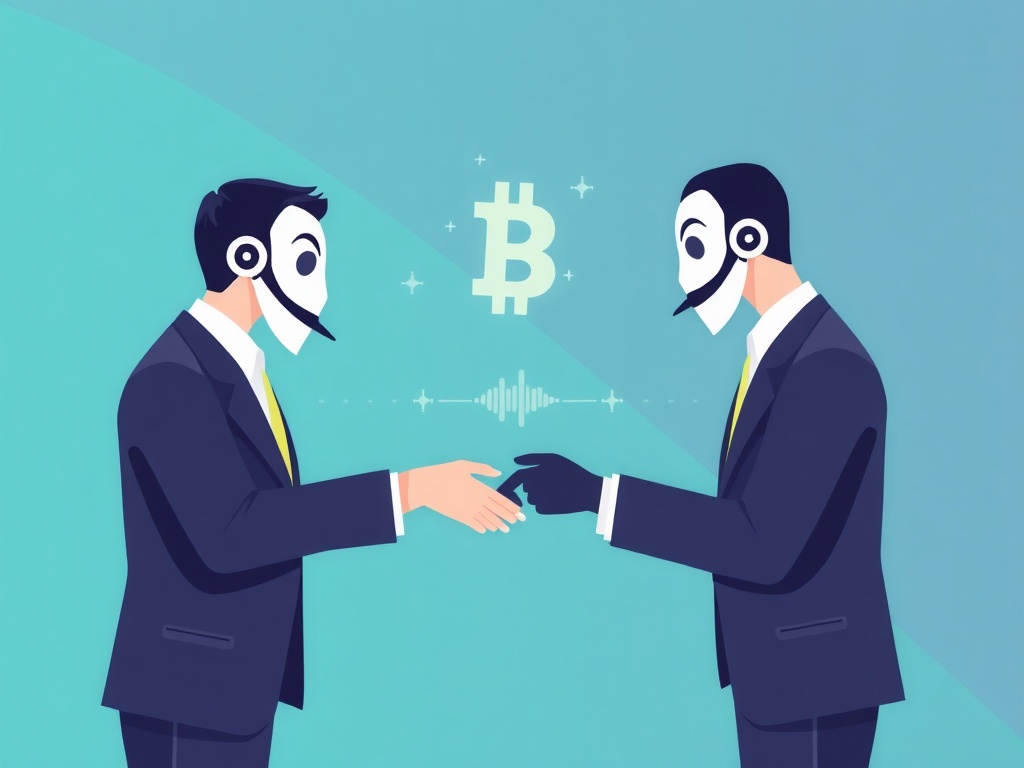
- Payment Anonymity: Users often pay for these services using cryptocurrencies or other untraceable methods, further protecting their identity.
By combining these features, anonymous email service providers create a secure environment for communication, shielding users from potential threats like hacking, phishing, or government surveillance.
Why Use an Anonymous Email Service?
The decision to use an anonymous email service is often driven by the need for enhanced privacy and security. Here are some key reasons why individuals and organizations might opt for these services:
Protecting Personal Privacy
In a world where data breaches and identity theft are common, maintaining privacy is more important than ever. An anonymous email service allows users to communicate without exposing their real email addresses, reducing the risk of spam, phishing attempts, and targeted advertising. This is particularly valuable for those who wish to keep their personal information separate from their online activities.
Safeguarding Sensitive Information
Journalists, whistleblowers, and activists often rely on anonymous email service to share sensitive information without fear of retaliation. By using these services, they can communicate with sources or publish documents without revealing their identities, ensuring their safety and the integrity of their work.
Avoiding Surveillance and Censorship
In regions with strict internet regulations or authoritarian governments, anonymous email service can be a lifeline for free expression. These services enable users to bypass censorship and communicate securely, even in environments where traditional email platforms are monitored or restricted.
How to Choose the Right Anonymous Email Service
With numerous anonymous email service providers available, selecting the right one requires careful consideration. Here are some factors to evaluate when making your choice:
Encryption Standards
Look for services that offer robust encryption protocols, such as AES-256 or PGP (Pretty Good Privacy). These standards ensure that your emails remain secure from interception. Avoid providers that use outdated or weak encryption methods, as they may compromise your privacy.
No-Logs Policy
A critical feature of any anonymous email service is its commitment to a no-logs policy. This means the provider does not store any data that could be used to identify users. Always verify this policy through the service’s documentation or third-party audits to ensure transparency.
User-Friendly Interface
While security is paramount, usability should not be overlooked. Choose a service with an intuitive interface that makes it easy to send and receive emails. A complicated setup process or lack of support can deter even the most privacy-conscious users.
Payment Options
Consider how you will pay for the service. Many anonymous email service providers accept cryptocurrencies like Bitcoin or Monero, which offer an additional layer of anonymity. If you prefer traditional payment methods, ensure the provider does not require personal information during the transaction.
Common Use Cases for Anonymous Email Services
Anonymous email services are not just for tech-savvy individuals; they serve a wide range of users with specific needs. Here are some common scenarios where these services are particularly valuable:
Journalists and Investigative Reporting
Journalists often use anonymous email service to protect their sources and maintain the confidentiality of their investigations. By communicating through these services, they can receive tips or documents without revealing their identities, ensuring the safety of both themselves and their sources.
Activists and Human Rights Advocates
Activists working in repressive environments rely on anonymous email service to coordinate efforts and share information without fear of persecution. These services allow them to communicate securely, even when traditional channels are monitored or blocked.
Businesses and Corporate Espionage
Companies may use anonymous email service to protect sensitive business communications from competitors or malicious actors. This is especially important in industries where intellectual property or trade secrets are at risk.
The Future of Anonymous Email Services
As technology evolves, so do the challenges and opportunities surrounding anonymous email service. Here’s a look at what the future might hold for these services:
Advancements in Encryption Technology
Ongoing research into quantum-resistant encryption and decentralized networks could further enhance the security of anonymous email service. These innovations may make it even harder for third parties to intercept or trace communications.
Regulatory Challenges
Governments and regulatory bodies are increasingly scrutinizing privacy-focused services, including anonymous email service. While some argue that these services enable illegal activities, others emphasize their role in protecting fundamental rights. The balance between security and regulation will likely shape the future of these platforms.
Integration with Other Privacy Tools
As awareness of digital privacy grows, anonymous email service providers may integrate with other tools like virtual private networks (VPNs) and encrypted messaging apps. This holistic approach could offer users a more comprehensive solution for safeguarding their online presence.
In conclusion, anonymous email service plays a vital role in today’s digital landscape by empowering users to communicate securely and privately. Whether you’re a journalist, activist, or everyday user, understanding the benefits and considerations of these services can help you make informed decisions about your online privacy. As technology continues to advance, the importance of anonymous email service will only grow, ensuring that individuals and organizations can navigate the digital world with confidence and security.
The Strategic Implications of Anonymous Email Services in Modern Digital Security
As a Digital Assets Strategist with deep expertise in cryptocurrency markets and on-chain analytics, I view anonymous email services as a critical yet contentious tool in the evolving landscape of digital privacy. These services, which mask sender and recipient identities, align with the ethos of decentralized finance (DeFi) and blockchain ecosystems that prioritize user autonomy. However, their utility extends beyond crypto—anonymous email services are increasingly adopted by individuals and organizations seeking to mitigate surveillance risks, protect sensitive communications, or operate in jurisdictions with restrictive data laws. From a strategic perspective, their rise reflects a broader societal shift toward reclaiming control over personal data, a principle that resonates strongly with blockchain’s foundational ethos of decentralization.
Practically, anonymous email services introduce both opportunities and challenges. For legitimate users, they enable secure communication in high-risk environments, such as whistleblowing, investigative journalism, or cross-border business negotiations where trust is limited. In crypto, they can complement privacy-focused protocols like Monero or Zcash by adding an additional layer of anonymity to transaction metadata. However, their misuse for illicit activities—such as phishing, fraud, or money laundering—poses significant regulatory and reputational risks. As a quantitative analyst, I emphasize the importance of balancing privacy with accountability. For instance, integrating zero-knowledge proofs or decentralized identity frameworks could allow users to verify compliance without exposing personal details, a concept I’ve explored in portfolio optimization models for DeFi protocols.
Looking ahead, the role of anonymous email services will likely hinge on regulatory clarity and technological innovation. While governments may push for stricter oversight to combat abuse, the demand for privacy-preserving tools will persist, particularly in regions with authoritarian surveillance practices. As a strategist, I advocate for a middle ground: fostering innovation in privacy-enhancing technologies while establishing transparent frameworks for accountability. For example, hybrid models that combine anonymity with optional identity verification could satisfy both user needs and compliance requirements. In the context of digital assets, this aligns with my work on market microstructure analysis, where balancing decentralization with systemic stability remains paramount. Ultimately, anonymous email services are not just a technical feature but a reflection of broader societal values—privacy, trust, and the right to control one’s digital footprint.