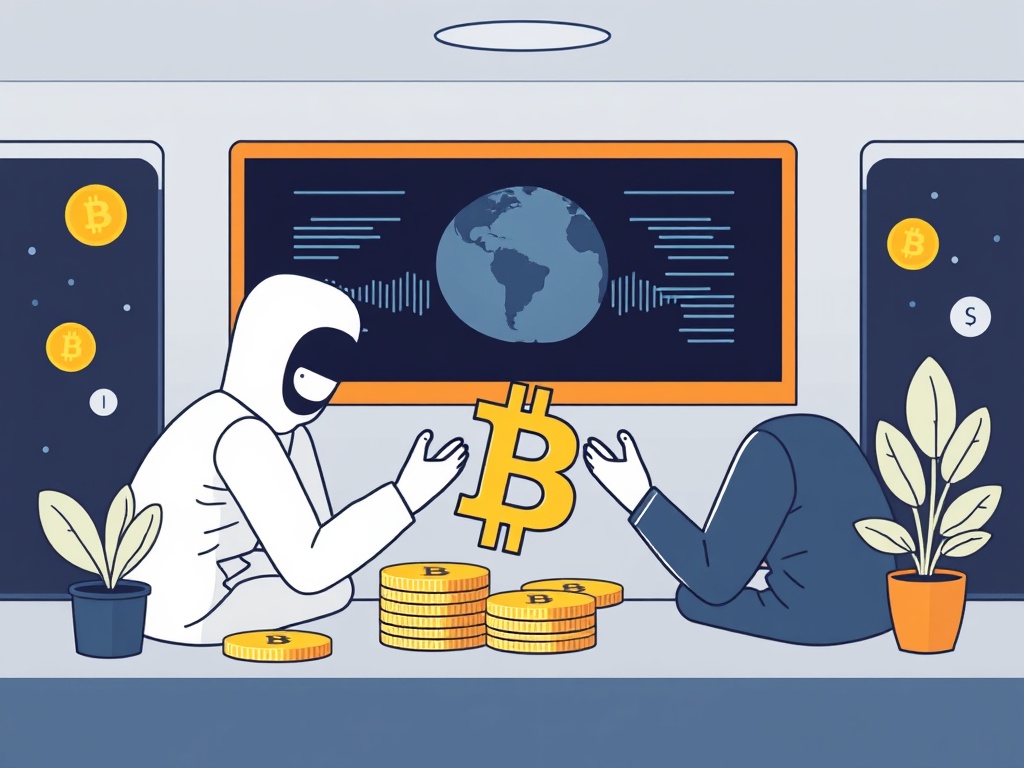
In the rapidly evolving world of cryptocurrency, privacy and security have become paramount concerns for users. One solution that has gained significant traction is the anonymous P2P swap, a method that allows individuals to exchange digital assets without revealing their identities. This approach not only enhances user privacy but also reduces reliance on centralized exchanges, which are often targets for hackers and regulatory scrutiny. As the demand for decentralized financial systems grows, understanding how anonymous P2P swaps work and their benefits becomes essential for anyone navigating the crypto landscape.
The Rise of Decentralized Financial Systems
The shift toward decentralized financial systems has been driven by the desire for greater autonomy and control over personal assets. Traditional financial institutions and centralized exchanges often require users to undergo identity verification processes, which can compromise privacy. In contrast, anonymous P2P swap platforms enable users to transact directly with one another without intermediaries. This peer-to-peer model eliminates the need for third-party verification, making transactions faster and more efficient. Additionally, the absence of centralized control reduces the risk of censorship or asset seizure, empowering users to manage their funds independently.
How Anonymous P2P Swaps Work
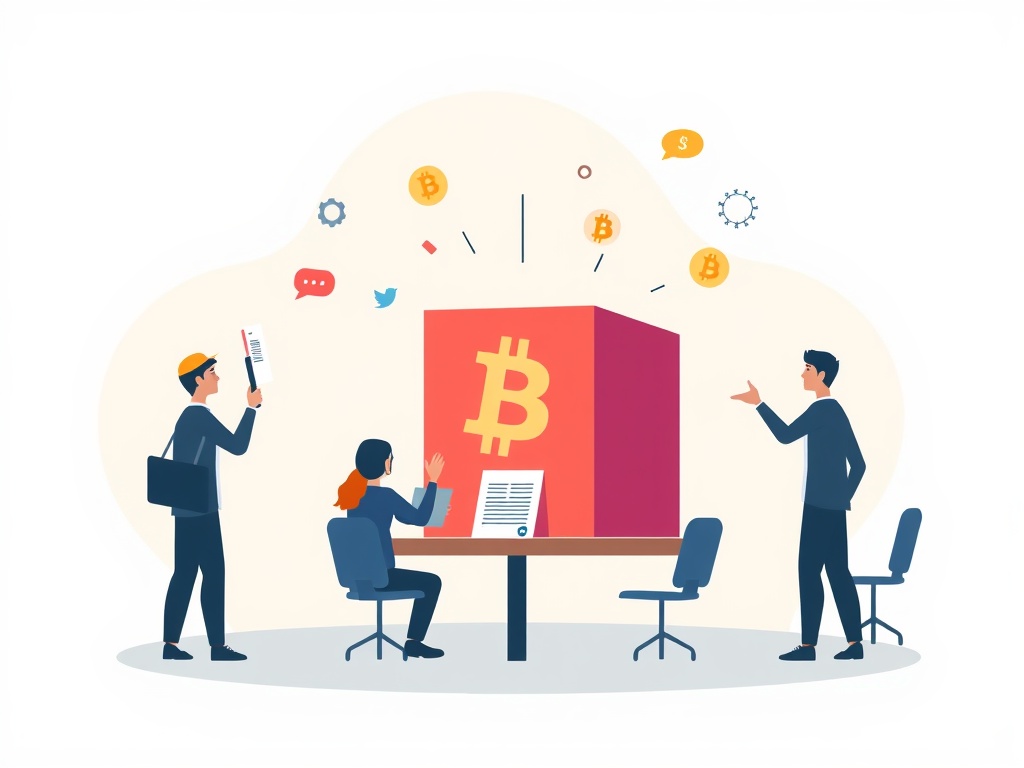
At the core of an anonymous P2P swap is a trustless system that relies on smart contracts and decentralized networks. Users initiate a swap by locking their assets in a smart contract, which automatically executes the transaction once predefined conditions are met. This process ensures that both parties fulfill their obligations without the need for a middleman. For example, if Alice wants to exchange Bitcoin for Ethereum, she can lock her Bitcoin in a smart contract and specify the amount of Ethereum she expects in return. Bob, on the other hand, locks his Ethereum and waits for the contract to release the assets once the conditions are satisfied. This mechanism guarantees that neither party can back out of the agreement, fostering trust in the system.
Key Features of Anonymous P2P Swap Platforms
Anonymous P2P swap platforms are designed with specific features that prioritize user privacy and security. One of the most notable characteristics is the use of non-custodial wallets, which allow users to retain full control over their private keys. Unlike traditional exchanges, where users must deposit funds into a centralized wallet, P2P swap platforms enable direct transactions between wallets. This eliminates the risk of funds being frozen or stolen due to exchange vulnerabilities. Additionally, many platforms incorporate privacy-enhancing technologies such as zero-knowledge proofs or ring signatures to further obscure transaction details. These features make it nearly impossible for third parties to trace the origin or destination of funds, ensuring a high level of anonymity.
Security Measures in Anonymous P2P Swaps
Security is a critical concern in any cryptocurrency transaction, and anonymous P2P swap platforms address this through multiple layers of protection. First, the use of smart contracts ensures that transactions are executed automatically, reducing the likelihood of human error or fraud. Second, many platforms implement multi-signature wallets, which require multiple approvals before funds can be accessed. This adds an extra layer of security against unauthorized access. Furthermore, some platforms utilize decentralized identity verification systems, where users can prove their identity without revealing personal information. This approach balances the need for compliance with the desire for privacy, making it an attractive option for users who value both security and anonymity.
Benefits of Using Anonymous P2P Swaps
The advantages of using an anonymous P2P swap extend beyond privacy and security. One of the most significant benefits is the elimination of intermediaries, which reduces transaction fees and processing times. Traditional exchanges often charge high fees for deposits, withdrawals, and trading, whereas P2P swaps typically involve lower costs due to the absence of middlemen. Additionally, the decentralized nature of these platforms makes them more resilient to outages and regulatory changes. For instance, if a centralized exchange is shut down by authorities, users may lose access to their funds. In contrast, anonymous P2P swap platforms operate on decentralized networks, ensuring that transactions can continue even in the face of external pressures.
User Control and Flexibility
Another major benefit of anonymous P2P swaps is the level of control users have over their assets. With traditional exchanges, users must trust the platform to safeguard their funds, which can be risky if the exchange is compromised. In contrast, P2P swap platforms allow users to maintain full ownership of their private keys, giving them complete control over their assets. This is particularly important in the event of a security breach or platform failure, as users can still access their funds without relying on a third party. Moreover, the flexibility of P2P swaps enables users to trade a wide range of cryptocurrencies without being limited by the offerings of a single exchange. This makes it an ideal solution for users who want to diversify their portfolios or access less common digital assets.
Challenges and Risks of Anonymous P2P Swaps
Despite their many advantages, anonymous P2P swap platforms are not without challenges. One of the primary concerns is the potential for fraudulent activity. Since these platforms operate without centralized oversight, there is a risk of scams or malicious actors exploiting the system. For example, a user might attempt to trick another into sending funds without fulfilling their end of the agreement. To mitigate this risk, many platforms implement reputation systems, where users can rate each other based on past transactions. Additionally, some platforms use escrow services to hold funds until both parties confirm the completion of the swap. These measures help build trust and reduce the likelihood of fraudulent behavior.
Regulatory Uncertainty and Compliance
Another challenge associated with anonymous P2P swaps is the evolving regulatory landscape. As governments around the world seek to regulate cryptocurrency transactions, there is a growing concern about how these platforms will be treated. Some jurisdictions may impose strict requirements on P2P swap platforms, such as mandatory identity verification or transaction reporting. While these regulations aim to prevent money laundering and other illicit activities, they can also undermine the privacy benefits of anonymous P2P swaps. Users must stay informed about the legal status of these platforms in their region and take necessary precautions to ensure compliance. This includes using reputable platforms that adhere to local regulations while still prioritizing user privacy.
Best Practices for Using Anonymous P2P Swaps
To maximize the benefits of anonymous P2P swaps while minimizing risks, users should follow best practices when engaging in these transactions. First, it is essential to choose a reputable platform with a strong track record of security and user satisfaction. Researching user reviews, checking for security certifications, and verifying the platform’s transparency can help identify trustworthy services. Second, users should always verify the details of the swap before initiating the transaction. This includes confirming the amount of assets being exchanged, the expected time frame, and any associated fees. Third, enabling two-factor authentication (2FA) on wallets and accounts adds an extra layer of protection against unauthorized access. Finally, users should keep their private keys secure and avoid sharing them with anyone, as this is the primary safeguard against theft or loss.
Educating Yourself on P2P Swap Mechanics
Understanding the mechanics of anonymous P2P swaps is crucial for making informed decisions. Users should familiarize themselves with the technology behind these platforms, including how smart contracts function and how transactions are secured. Additionally, staying updated on the latest developments in the crypto space can help users anticipate potential risks and opportunities. For example, advancements in privacy-focused blockchain technologies may further enhance the security and anonymity of P2P swaps. By continuously learning and adapting to new trends, users can navigate the complexities of anonymous P2P swaps with confidence and ensure that their transactions remain secure and private.
The Future of Anonymous P2P Swaps
As the cryptocurrency ecosystem continues to evolve, the role of anonymous P2P swaps is likely to expand. Innovations in blockchain technology, such as improved scalability and enhanced privacy features, will further solidify the appeal of these platforms. Additionally, the growing interest in decentralized finance (DeFi) and non-fungible tokens (NFTs) may drive increased demand for P2P swap solutions that support a wider range of assets. However, the success of anonymous P2P swaps will depend on the ability of platforms to balance privacy with regulatory compliance. As governments and financial institutions develop new frameworks for cryptocurrency regulation, P2P swap platforms will need to adapt to ensure long-term sustainability. By prioritizing user privacy, security, and transparency, these platforms can continue to play a vital role in the future of digital finance.
Conclusion: Embracing the Power of Anonymous P2P Swaps
In conclusion, anonymous P2P swaps represent a powerful tool for users seeking greater privacy, security, and control over their cryptocurrency transactions. By eliminating intermediaries and leveraging decentralized technologies, these platforms offer a compelling alternative to traditional exchanges. While challenges such as regulatory uncertainty and potential fraud exist, the benefits of anonymous P2P swaps make them an attractive option for users who value autonomy and confidentiality. As the crypto landscape continues to mature, the importance of understanding and utilizing these platforms will only grow. By staying informed and adopting best practices, users can harness the full potential of anonymous P2P swaps to navigate the digital economy with confidence and security.
Anonymous P2P Swap: A Secure Pathway for Decentralized Crypto Transactions
As a crypto investment advisor with over a decade of experience, I’ve seen the evolution of peer-to-peer (P2P) trading transform how investors interact with digital assets. The rise of anonymous P2P swap platforms has been particularly impactful, offering users a way to trade cryptocurrencies without revealing personal identities. This level of privacy is critical in an era where data breaches and regulatory scrutiny are rampant. By eliminating intermediaries, these platforms empower individuals to maintain control over their assets while reducing exposure to centralized points of failure. However, the anonymity they provide isn’t without trade-offs, and understanding these nuances is essential for informed decision-making.
One of the key advantages of anonymous P2P swaps is their ability to bypass traditional financial gatekeepers. For retail investors in regions with restrictive crypto policies, these platforms offer a lifeline to participate in the global economy. They also enable faster transactions, as there’s no need for lengthy KYC (Know Your Customer) processes. That said, the lack of oversight introduces risks, such as fraud or disputes over transaction terms. As an advisor, I always emphasize the importance of using escrow services and verifying counterparties’ reputations before engaging in such swaps. Tools like reputation scores and multi-signature wallets can mitigate these risks, but they require proactive user education.
From a regulatory standpoint, the anonymity of P2P swaps remains a double-edged sword. While it aligns with the ethos of decentralization, it also complicates compliance with anti-money laundering (AML) laws. As governments tighten their grip on crypto markets, platforms facilitating anonymous trades may face increased scrutiny. Investors must stay informed about jurisdictional regulations and prioritize platforms that implement robust security measures without compromising privacy. In my view, the future of anonymous P2P swaps lies in balancing innovation with accountability—ensuring users can enjoy the benefits of decentralization while minimizing systemic risks. For now, these swaps remain a powerful tool for those who value financial sovereignty, provided they approach them with caution and due diligence.