The Snowflake Tor bridge represents an innovative approach to circumventing internet censorship and maintaining online privacy. This technology has emerged as a crucial tool for users in regions where internet freedom is restricted, providing a decentralized method to access the Tor network without relying on traditional bridge infrastructure.
How Snowflake Tor Bridge Works
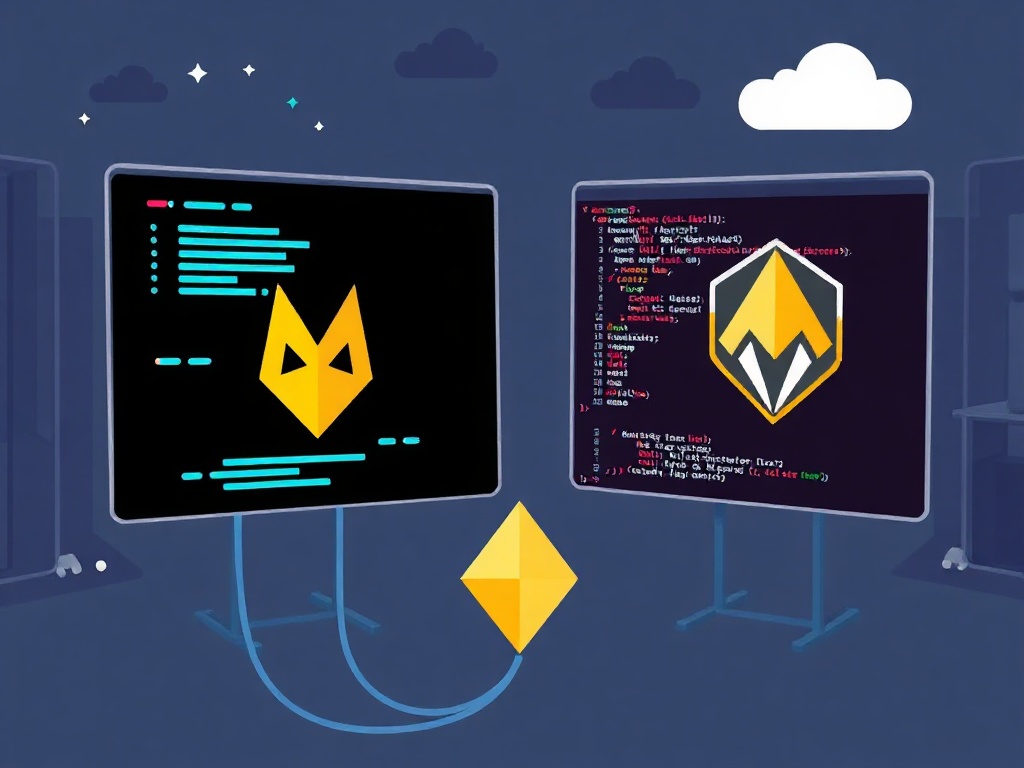
The Snowflake Tor bridge operates through a unique peer-to-peer system that connects users with volunteer-run proxies. Unlike conventional Tor bridges that require dedicated servers, Snowflake leverages WebRTC technology to create ephemeral connections between users and volunteers who run the Snowflake client in their browsers.
When a user in a censored region attempts to connect to the Tor network, the system matches them with available Snowflake proxies. These connections are temporary and constantly changing, making it extremely difficult for censors to block the entire system. The Snowflake Tor bridge essentially creates a dynamic network of bridges that adapts in real-time to blocking attempts.
The Technical Architecture
The architecture of Snowflake Tor bridge consists of three main components: clients, proxies, and the broker. Clients are users in censored regions seeking to access Tor. Proxies are volunteers who run the Snowflake client, often as a browser extension or through a simple web interface. The broker acts as a matchmaking service, connecting clients with available proxies.
The system uses WebRTC for peer-to-peer communication, which allows browsers to establish direct connections without requiring special server configurations. This makes it easy for anyone to become a proxy volunteer, as they only need a modern web browser. The Snowflake Tor bridge protocol ensures that these connections are encrypted and that the content being transmitted remains private.
Benefits of Using Snowflake Tor Bridge
The Snowflake Tor bridge offers several significant advantages over traditional circumvention tools. First and foremost is its resilience against blocking attempts. Because the system relies on a constantly changing pool of volunteer proxies, it becomes nearly impossible for censors to maintain an effective block list.
Another key benefit is the low barrier to entry for both users and volunteers. Users don't need to install any special software beyond the Tor Browser, and volunteers can contribute by simply keeping a browser tab open. This accessibility has led to a robust and growing network of Snowflake Tor bridge participants worldwide.
Enhanced Privacy and Security
The Snowflake Tor bridge provides enhanced privacy by ensuring that no single entity can see both the user's identity and their internet activity. The proxy volunteers only see encrypted traffic, while the Tor network handles the actual routing and encryption of data. This separation of concerns adds an extra layer of privacy protection.
Additionally, the ephemeral nature of Snowflake connections means that even if a censor manages to identify and block a specific proxy, new ones are constantly becoming available. This dynamic nature makes the Snowflake Tor bridge particularly effective in regions with sophisticated censorship infrastructure.
Setting Up and Using Snowflake Tor Bridge
For users in censored regions, accessing the Snowflake Tor bridge is straightforward. The Tor Browser includes built-in support for Snowflake, and users can simply select the "Snowflake" option when prompted for bridge configuration. The browser will then automatically connect to available Snowflake proxies through the broker system.
Volunteers who wish to contribute to the network can do so by installing the Snowflake browser extension or by visiting the Snowflake website and keeping the page open in a browser tab. The system is designed to be as unobtrusive as possible for volunteers, using minimal system resources while providing maximum benefit to users in need.
Technical Requirements and Considerations
The Snowflake Tor bridge system has minimal technical requirements. For users, a modern web browser and internet connection are sufficient. For volunteers, the same applies, though having a stable internet connection and keeping the browser tab open will provide better service to users.
It's worth noting that while Snowflake Tor bridge is highly effective, it may not work in all situations. Some extremely sophisticated censorship systems may employ deep packet inspection or other advanced techniques to detect and block Snowflake traffic. However, the development team continuously works on improving the system's resilience.
Comparing Snowflake to Other Circumvention Tools
When compared to other circumvention tools, the Snowflake Tor bridge stands out for its decentralized approach and ease of use. Traditional VPN services require dedicated infrastructure and can be blocked by IP address. Other Tor bridges, while effective, require more complex setup and maintenance.
The Snowflake Tor bridge offers a middle ground between ease of use and effectiveness. It's more resilient than simple proxy services but easier to deploy than traditional bridge infrastructure. This balance has made it increasingly popular among users in censored regions and privacy-conscious individuals worldwide.
Performance Considerations
Performance with Snowflake Tor bridge can vary depending on the availability of proxies and network conditions. During peak usage times or in regions with limited volunteer participation, users might experience slower connection speeds compared to traditional VPN services. However, the system is designed to optimize connections and provide the best possible performance given the available resources.
The development team continues to work on performance improvements, including better load balancing and more efficient connection management. These ongoing improvements help ensure that Snowflake Tor bridge remains a viable option for users seeking uncensored internet access.
The Future of Snowflake Tor Bridge
The Snowflake Tor bridge project continues to evolve, with ongoing development focused on improving resilience, performance, and user experience. The open-source nature of the project allows for community contributions and rapid iteration based on real-world usage patterns.
Future developments may include enhanced obfuscation techniques, better integration with mobile platforms, and improved mechanisms for handling extreme censorship scenarios. The team also works on making the system more accessible to non-technical users while maintaining the robust security and privacy features that make Snowflake Tor bridge effective.
Community and Development
The Snowflake Tor bridge project benefits from a strong community of developers, researchers, and volunteers. This community contributes to the codebase, tests new features, and helps with documentation and outreach. The collaborative approach ensures that the system remains responsive to user needs and capable of adapting to new censorship techniques.
Organizations interested in supporting internet freedom can contribute by running multiple instances of the Snowflake proxy, developing new features, or providing resources for the project. The more volunteers participate, the more robust and effective the Snowflake Tor bridge network becomes.
Security and Privacy Implications
The Snowflake Tor bridge incorporates multiple layers of security and privacy protection. All traffic is encrypted, and the system is designed to prevent any single party from having complete visibility into user activity. The use of ephemeral connections and the decentralized nature of the network further enhance security.
However, users should understand that no system is perfect. While Snowflake Tor bridge provides strong protection against most forms of surveillance and censorship, determined adversaries with significant resources may still find ways to interfere with connections. Users should always consider their specific threat model when choosing circumvention tools.
Best Practices for Users
To get the most out of Snowflake Tor bridge, users should keep their Tor Browser updated, use strong passwords for any accounts they access, and be aware of the limitations of any circumvention tool. It's also advisable to use additional privacy measures such as HTTPS Everywhere and to be cautious about sharing sensitive information even when using protected connections.
Volunteers running Snowflake Tor bridge proxies should ensure their systems are secure and that they understand the implications of participating in the network. While the system is designed to protect volunteer privacy, maintaining good security practices is always recommended.
Impact on Global Internet Freedom
The Snowflake Tor bridge has made a significant impact on global internet freedom by providing a reliable tool for users in censored regions to access information and communicate freely. The system has been particularly valuable in countries with strict internet controls, where traditional circumvention tools may be blocked or ineffective.
By lowering the barrier to entry for both users and volunteers, Snowflake Tor bridge has created a more inclusive circumvention ecosystem. This inclusivity has led to a more diverse and resilient network that can better serve users with varying technical capabilities and needs.
Challenges and Opportunities
While Snowflake Tor bridge has been successful, it faces ongoing challenges from increasingly sophisticated censorship techniques. The development team must constantly innovate to stay ahead of censors while maintaining the system's accessibility and ease of use.
These challenges also present opportunities for improvement and expansion. As the network grows and evolves, it may incorporate new technologies and approaches to circumvention, potentially setting new standards for privacy and accessibility in the field of internet freedom tools.
Getting Involved with Snowflake Tor Bridge
There are many ways to get involved with the Snowflake Tor bridge project. Technical users can contribute to the codebase, help with testing new features, or assist with documentation. Non-technical supporters can volunteer as proxies, help translate materials, or spread awareness about the project.
Organizations can support the project by providing hosting resources, funding development work, or incorporating Snowflake Tor bridge technology into their own products and services. The more diverse the support base, the more resilient and effective the network becomes.
Resources and Documentation
The Snowflake Tor bridge project maintains comprehensive documentation for users, developers, and volunteers. This includes setup guides, technical specifications, and best practices for various use cases. The project's website and code repository provide up-to-date information about the current state of the system and how to get involved.
Community forums and chat channels offer additional support and opportunities to connect with other users and contributors. These resources help ensure that anyone interested in Snowflake Tor bridge can find the information and assistance they need to participate effectively.
The Snowflake Tor bridge represents a significant advancement in circumvention technology, offering a unique combination of resilience, accessibility, and effectiveness. As internet censorship continues to evolve, tools like Snowflake Tor bridge will remain essential for protecting online freedom and privacy worldwide.
Expert Opinion on Snowflake Tor Bridge
As a Digital Assets Strategist with extensive experience in both traditional finance and cryptocurrency markets, I've been closely monitoring the development of the Snowflake Tor bridge. This innovative technology represents a significant advancement in the realm of privacy and security for digital asset transactions. The Snowflake Tor bridge essentially acts as a decentralized proxy system, allowing users to bypass censorship and maintain anonymity while accessing the Tor network. This is particularly crucial for individuals in regions with strict internet regulations or those who prioritize their online privacy.
From a quantitative analysis perspective, the Snowflake Tor bridge introduces an interesting dynamic to the digital asset ecosystem. By enhancing privacy and security, it could potentially increase the adoption of cryptocurrencies in regions where these factors are paramount. However, it's important to note that this increased privacy could also pose challenges for regulatory compliance and anti-money laundering efforts. As a portfolio optimization expert, I would advise investors to consider the potential impact of such privacy-enhancing technologies on the long-term viability and regulatory landscape of various digital assets. The Snowflake Tor bridge, while offering significant benefits in terms of privacy and accessibility, may also introduce new variables that need to be factored into risk assessment models for cryptocurrency investments.
In conclusion, the Snowflake Tor bridge represents a fascinating intersection of privacy technology and digital asset management. As someone deeply involved in on-chain analytics and market microstructure, I believe this technology will play a crucial role in shaping the future of decentralized finance. However, it's essential for investors and strategists to stay informed about the evolving regulatory environment surrounding such privacy-enhancing tools. The balance between privacy, security, and regulatory compliance will likely be a key factor in determining the long-term success and adoption of technologies like the Snowflake Tor bridge in the digital asset space.