What Are Tornado Cash Sanctions?
The term Tornado Cash sanctions refers to the legal and regulatory actions taken against the Tornado Cash protocol, a decentralized cryptocurrency mixer that allows users to obscure the traceability of their transactions. These sanctions were imposed by governments and financial authorities to combat money laundering and other illicit activities. The Tornado Cash sanctions are not just a technical issue but a reflection of broader efforts to regulate the crypto space.
What Is Tornado Cash?
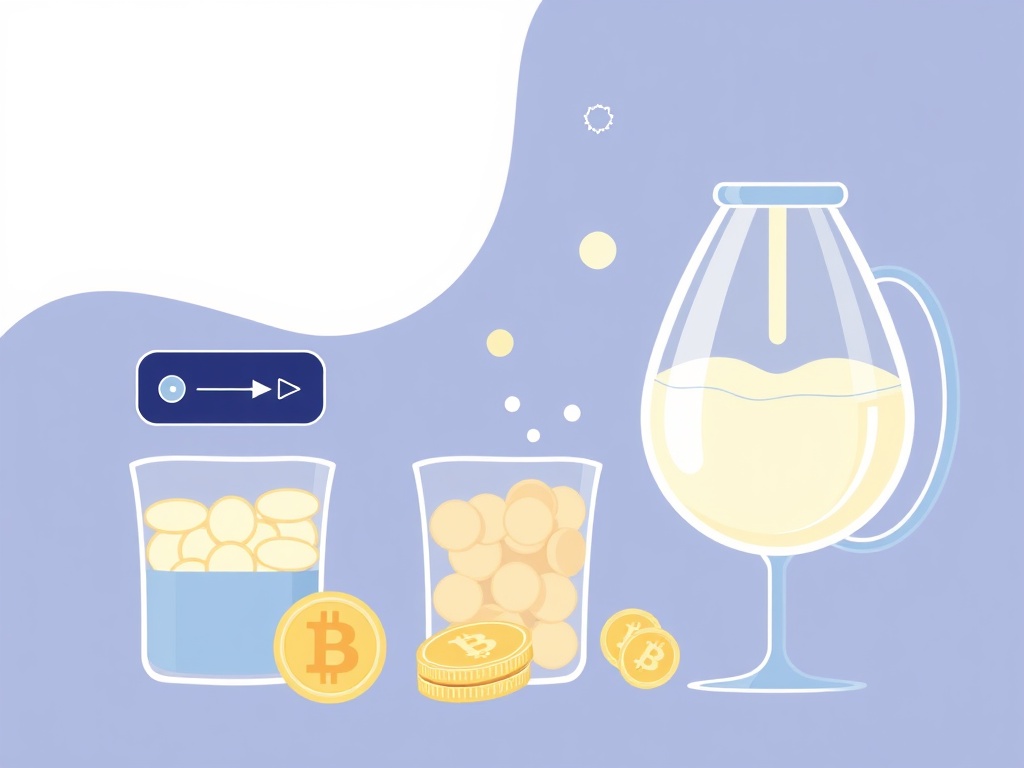
Tornado Cash is a smart contract-based service that enables users to mix their cryptocurrency, making it difficult to trace the origin of funds. While this feature is popular among privacy-focused users, it has also been exploited for illegal purposes. The Tornado Cash sanctions were triggered when the protocol was used to facilitate transactions linked to criminal activities, prompting regulatory bodies to act.
The Role of Sanctions in Crypto Regulation
Sanctions are a critical tool for governments to enforce compliance with financial laws. In the case of Tornado Cash sanctions, the focus was on holding the protocol’s developers and users accountable. These measures highlight the tension between user privacy and regulatory oversight in the cryptocurrency ecosystem.
The Legal and Regulatory Context of Tornado Cash Sanctions
The Tornado Cash sanctions were not imposed in isolation. They are part of a larger framework of anti-money laundering (AML) and counter-terrorism financing (CTF) regulations. Understanding this context is essential to grasp the full scope of the sanctions.
Why Were Tornado Cash Sanctions Imposed?
The primary reason for the Tornado Cash sanctions was the protocol’s association with illicit transactions. Regulatory agencies, such as the U.S. Treasury’s Office of Foreign Assets Control (OFAC), identified specific instances where Tornado Cash was used to launder funds. This led to the freezing of assets and the designation of Tornado Cash as a sanctioned entity.
Key Regulatory Bodies Involved
- U.S. Treasury (OFAC): Imposed sanctions on Tornado Cash for facilitating transactions linked to sanctioned entities.
- European Union (EU) Authorities: Investigated the protocol’s role in money laundering schemes.
- Financial Action Task Force (FATF): Advocated for stricter regulations on crypto mixers like Tornado Cash.
The Legal Implications for Users
Users of Tornado Cash may face legal consequences if they are found to have participated in sanctioned activities. The Tornado Cash sanctions serve as a warning that even decentralized platforms can be targeted by regulators. This has sparked debates about the enforceability of laws in a decentralized environment.
Impact of Tornado Cash Sanctions on Users and the Crypto Community
The Tornado Cash sanctions have had far-reaching effects, influencing both individual users and the broader crypto community. These sanctions have reshaped how people perceive privacy tools and regulatory compliance in the digital age.
How Users Are Affected
- Loss of Privacy: Users who relied on Tornado Cash for anonymity now face increased scrutiny from authorities.
- Financial Restrictions: Assets linked to Tornado Cash may be frozen or seized, impacting users’ access to funds.
- Reputational Damage: Participation in sanctioned activities can lead to blacklisting by exchanges or other platforms.
The Broader Impact on Crypto Privacy Tools
The Tornado Cash sanctions have set a precedent for how privacy-focused tools are treated by regulators. This has led to a reevaluation of similar services, with some developers opting to enhance transparency or comply with regulatory requirements to avoid similar sanctions.
Community Response and Adaptation
The crypto community has responded to the Tornado Cash sanctions in various ways. Some users have shifted to alternative privacy tools, while others have advocated for stronger regulatory frameworks. The incident has also fueled discussions about the balance between privacy and security in the digital economy.
How to Navigate Tornado Cash Sanctions: A Guide for Users
For users affected by the Tornado Cash sanctions, understanding the steps to mitigate risks is crucial. This section provides practical advice on how to navigate the legal and technical challenges posed by these sanctions.
Steps to Take if You’re Affected by Tornado Cash Sanctions
- Cease Use Immediately: If your assets are linked to Tornado Cash, stop using the protocol to avoid further complications.
- Consult Legal Experts: Seek advice from professionals familiar with crypto regulations to understand your obligations.
- Report to Authorities: If you were not involved in illicit activities, consider reporting the sanctions to relevant regulatory bodies to clarify your status.
Alternatives to Tornado Cash for Privacy
Users seeking privacy without the risk of Tornado Cash sanctions may explore other solutions. These include:
- Monero (XMR): A privacy coin designed to offer anonymity without relying on third-party mixers.
- Zcash (ZEC): Uses zero-knowledge proofs to enable private transactions.
- Decentralized Exchanges (DEXs): Platforms that allow direct peer-to-peer trading without intermediaries.
Technical Measures to Avoid Sanctions
While no method is foolproof, users can take technical steps to reduce their exposure to Tornado Cash sanctions:
- Avoid Mixing Funds: Refrain from using Tornado Cash or similar services for transactions.
- Use Transparent Wallets: Opt for wallets that provide clear transaction histories to comply with AML requirements.
- Monitor Regulatory Updates: Stay informed about changes in crypto regulations that could impact privacy tools.
Future Outlook: What Lies Ahead for Tornado Cash Sanctions?
The Tornado Cash sanctions are likely to have long-term implications for the crypto industry. As regulators continue to refine their approach, the future of privacy tools and compliance strategies will evolve accordingly.
Potential Regulatory Changes
Regulators may impose stricter requirements on crypto mixers and privacy tools in the future. This could include mandatory reporting of transactions or the implementation of KYC (Know Your Customer) protocols for all users. The Tornado Cash sanctions may serve as a catalyst for such changes.
The Role of Technology in Compliance
Technological advancements could also play a role in addressing the challenges posed by Tornado Cash sanctions. For example, blockchain analytics tools are being developed to detect suspicious activities without compromising user privacy. These innovations may help bridge the gap between regulatory needs and user expectations.
Community and Developer Responses
The developers of Tornado Cash have faced significant backlash due to the Tornado Cash sanctions. Some have chosen to shut down the protocol, while others are working on revised versions that comply with regulatory standards. This highlights the importance of proactive compliance in the crypto space.
Conclusion: Balancing Privacy and Compliance in the Age of Tornado Cash Sanctions
The Tornado Cash sanctions underscore the complex relationship between privacy and regulation in the cryptocurrency ecosystem. While privacy tools like Tornado Cash offer valuable benefits, they also pose challenges for authorities seeking to enforce financial laws. As the industry matures, finding a balance between these competing interests will be critical. Users, developers, and regulators must collaborate to create a framework that protects both privacy and security in the digital economy.
In the context of Tornado Cash sanctions, it is clear that no single solution will satisfy all parties. However, by staying informed and adaptable, individuals and organizations can navigate this evolving landscape more effectively. The lessons learned from the Tornado Cash sanctions will likely shape the future of crypto privacy and compliance for years to come.
Tornado Cash Sanctions: Navigating the Intersection of Privacy, Compliance, and Decentralization
As someone who has spent the last eight years immersed in blockchain research and fintech innovation, I’ve witnessed how regulatory actions can reshape the trajectory of decentralized technologies. The Tornado Cash sanctions represent a pivotal moment in this evolution. Tornado Cash, a privacy-focused Ethereum mixer, was sanctioned by the U.S. Treasury’s Office of Foreign Assets Control (OFAC) for enabling illicit activities, including money laundering. While the intent behind these sanctions—curbing financial crime—is understandable, their execution raises critical questions about the balance between regulatory oversight and the core principles of decentralization.
From a practical standpoint, the Tornado Cash sanctions highlight the challenges of enforcing compliance in a trustless, permissionless ecosystem. Unlike traditional financial systems, blockchain operates without centralized intermediaries, making it difficult to apply conventional anti-money laundering (AML) frameworks. The sanctions effectively froze assets and restricted access to Tornado Cash’s services, but they also exposed vulnerabilities in how decentralized protocols handle user privacy. For instance, while the mixer itself was targeted, users who interacted with it now face legal ambiguity. This creates a paradox: regulators aim to protect financial systems, yet their actions may inadvertently stifle legitimate use cases for privacy tools. My research suggests that future compliance solutions must integrate privacy-preserving technologies—such as zero-knowledge proofs—rather than relying on blunt-force sanctions that undermine user trust.
Looking ahead, the Tornado Cash sanctions serve as a case study in the evolving regulatory landscape for blockchain. They underscore the need for nuanced approaches that distinguish between malicious actors and privacy-conscious users. For cross-chain interoperability solutions, which I specialize in, this could mean developing standardized compliance modules that adapt to jurisdictional requirements without compromising decentralization. While the sanctions were a necessary step to address specific risks, they also signal a broader shift toward regulatory clarity. As blockchain continues to mature, the lessons from Tornado Cash will likely influence how we design systems that are both secure and adaptable to global regulatory demands."