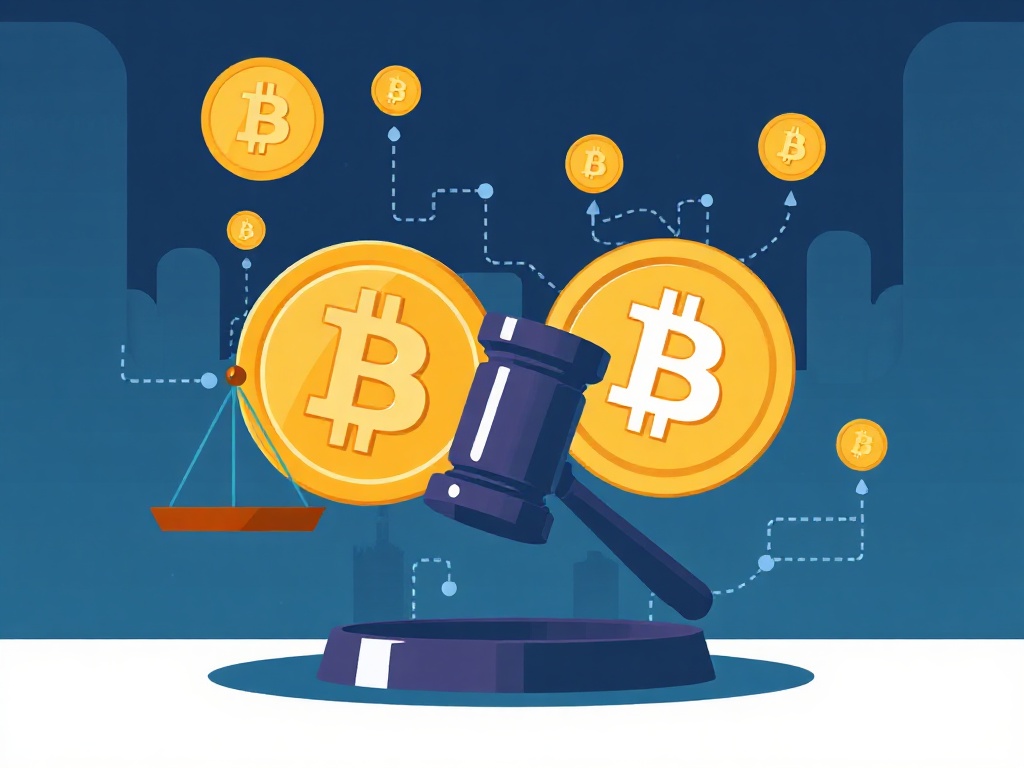

In the rapidly evolving landscape of digital currencies, the concept of untraceable ETH payments has gained significant attention. As Ethereum (ETH) continues to dominate the blockchain space, users are increasingly seeking ways to conduct transactions without leaving a digital footprint. This article explores the mechanisms, implications, and considerations surrounding untraceable ETH payments, with a focus on the btcmixer_en niche. Whether you’re a privacy-conscious individual or a developer looking to enhance transaction security, understanding the nuances of untraceable ETH payments is crucial.
Understanding Untraceable ETH Payments
What Makes ETH Payments Untraceable?
Untraceable ETH payments refer to transactions that cannot be linked back to the sender or receiver through public blockchain records. Unlike traditional financial systems, where transactions are traceable via bank accounts or credit card details, blockchain-based payments like ETH rely on pseudonymous addresses. However, even pseudonymous transactions can be traced if the addresses are linked to real-world identities. Untraceable ETH payments aim to eliminate this risk by employing advanced techniques to obscure the transaction trail.
The Role of Blockchain Transparency
Blockchain technology is inherently transparent, meaning every transaction is recorded on a public ledger. This transparency is a double-edged sword. While it ensures accountability, it also makes transactions vulnerable to tracking. For untraceable ETH payments, the challenge lies in masking the connection between the sender’s and receiver’s addresses. This is where tools like mixers, tumblers, or privacy-focused protocols come into play. In the btcmixer_en context, services like BTCMixer are often associated with such solutions, though their application to ETH requires specific adaptations.
Why Privacy Matters in ETH Transactions
Privacy is a fundamental right, and for many users, the ability to conduct transactions without surveillance is essential. Untraceable ETH payments cater to this need, particularly in scenarios where financial freedom or anonymity is paramount. However, it’s important to note that while untraceable payments can enhance privacy, they are not entirely immune to scrutiny. Law enforcement agencies and sophisticated analysts can sometimes de-anonymize transactions through advanced methods. This underscores the importance of using reliable and secure tools when pursuing untraceable ETH payments.
Methods to Achieve Untraceable ETH Payments
Using Mixers and Tumblers
One of the most common methods to achieve untraceable ETH payments is through the use of mixers or tumblers. These services take a user’s ETH and mix it with other funds from multiple users, effectively obscuring the origin of the transaction. In the btcmixer_en niche, BTCMixer is a well-known example, though it primarily focuses on Bitcoin. Adapting this concept to ETH requires specialized mixers that support Ethereum-based transactions. The process typically involves sending ETH to a mixer, which then redistributes it to a new address, making it difficult to trace the original source.
- How Mixers Work: Mixers aggregate funds from multiple users and redistribute them in smaller, randomized amounts.
- Risks Involved: While mixers enhance privacy, they can also be targeted by authorities or hackers. Users must choose reputable services to avoid potential losses.
- Legal Considerations: The legality of mixers varies by jurisdiction. Some countries have strict regulations against their use, which could impact the viability of untraceable ETH payments in those regions.
Privacy Coins and Their Integration with ETH
Privacy coins like Monero (XMR) or Zcash (ZEC) are designed to offer enhanced anonymity. While these coins are not ETH, they can be used in conjunction with ETH transactions to further obscure the trail. For instance, a user might convert ETH to a privacy coin via a decentralized exchange (DEX) and then send the privacy coin to the recipient. This multi-step process adds layers of complexity, making it harder to trace the original ETH payment. In the btcmixer_en context, such integrations might involve using BTCMixer-like services to handle the conversion or mixing process.
Decentralized Exchanges (DEXs) and Smart Contracts
Decentralized exchanges (DEXs) allow users to trade ETH without relying on a central authority, which can enhance privacy. By using DEXs, users can swap ETH for other tokens or privacy coins without exposing their identities. Additionally, smart contracts can be programmed to execute transactions in a way that minimizes traceability. For example, a smart contract could automatically split ETH into multiple addresses or delay the transfer, making it harder to link the payment to a specific user. This approach aligns with the goals of untraceable ETH payments by leveraging the programmability of blockchain technology.
Risks and Challenges of Untraceable ETH Payments
Potential for Illicit Activity
One of the primary concerns surrounding untraceable ETH payments is their potential misuse for illegal activities. Criminals may exploit the anonymity of these transactions to launder money, fund black-market operations, or engage in other unlawful behaviors. While the technology itself is neutral, its application can have significant societal implications. In the btcmixer_en niche, services that facilitate untraceable payments must navigate this ethical dilemma carefully. Balancing user privacy with regulatory compliance is a complex task that requires ongoing vigilance.
Technical Vulnerabilities
Despite the best efforts to achieve untraceability, technical vulnerabilities can still pose a threat. For instance, if a mixer or DEX is compromised, all transactions processed through it could be exposed. Additionally, advanced blockchain analysis tools can sometimes de-anonymize transactions by correlating data from multiple sources. Users seeking untraceable ETH payments must remain aware of these risks and take proactive measures, such as using multiple layers of privacy tools or regularly updating their security practices.
Regulatory and Legal Risks
The legal landscape surrounding untraceable payments is still evolving. Many jurisdictions are grappling with how to regulate cryptocurrency transactions, particularly those designed to evade detection. In some cases, using untraceable ETH payments could lead to legal consequences, especially if the funds are linked to criminal activity. Users must be aware of the laws in their region and consult legal experts if necessary. For services in the btcmixer_en niche, compliance with local regulations is essential to avoid penalties or shutdowns.
Legal and Ethical Considerations
The Intersection of Privacy and Regulation
Privacy is a fundamental human right, but it is not absolute. Governments and regulatory bodies often impose restrictions on technologies that could be used for illicit purposes. In the context of untraceable ETH payments, this creates a tension between individual privacy and collective security. For example, while a user may have the right to conduct private transactions, authorities may require access to transaction data for investigative purposes. This dynamic is particularly relevant in the btcmixer_en niche, where services must balance user demands with legal obligations.
Ethical Use of Untraceable Payments
Beyond legal concerns, there are ethical considerations to take into account. While untraceable payments can protect users from surveillance, they can also enable harmful activities. It is crucial for users and service providers in the btcmixer_en space to promote responsible use of these technologies. This includes educating users about the risks, implementing robust security measures, and adhering to ethical guidelines that prioritize transparency and accountability.
Case Studies and Real-World Examples
Several high-profile cases have highlighted the complexities of untraceable payments. For instance, the use of cryptocurrency in ransomware attacks or dark web transactions has raised alarms among regulators. In some instances, law enforcement agencies have successfully traced funds through advanced blockchain analysis, even when the payments were designed to be untraceable. These examples underscore the importance of continuous innovation in privacy tools and the need for collaboration between technology providers and regulatory bodies. In the btcmixer_en context, such case studies can inform best practices for developing and maintaining untraceable ETH payment solutions.
Real-World Applications of Untraceable ETH Payments
Use Cases in Personal Privacy
For individuals, untraceable ETH payments can be a valuable tool for protecting personal financial information. This is particularly relevant in countries with high levels of surveillance or where financial privacy is not guaranteed. For example, a user in a region with strict capital controls might use untraceable ETH payments to bypass restrictions and send funds to family members abroad. Similarly, individuals concerned about data breaches or identity theft may prefer untraceable transactions to minimize their digital footprint. In the btcmixer_en niche, services that cater to these use cases must prioritize ease of use and reliability to attract a broader audience.
Business and Corporate Applications
Businesses can also benefit from untraceable ETH payments in certain scenarios. For instance, companies operating in regions with unstable financial systems might use untraceable payments to reduce transaction costs or avoid currency fluctuations. Additionally, businesses that handle sensitive data or operate in industries with strict privacy requirements may find untraceable ETH payments advantageous. However, it’s important to note that businesses must still comply with local regulations, even when using privacy-focused tools. In the btcmixer_en context, corporate clients may seek specialized solutions that integrate with existing financial systems while maintaining privacy.
The Role of BTCMixer in Untraceable ETH Payments
While BTCMixer is primarily associated with Bitcoin, its principles can be adapted to ETH transactions. By using BTCMixer-like services for ETH, users can achieve a level of anonymity similar to what is offered for Bitcoin. This involves sending ETH to a mixer, which then redistributes it to a new address. However, adapting BTCMixer for ETH requires technical expertise and may involve additional steps, such as converting ETH to a privacy coin or using a DEX. The btcmixer_en niche could play a role in developing or promoting such adaptations, though it would require careful consideration of legal and technical challenges.
Conclusion
Untraceable ETH payments represent a significant advancement in the quest for financial privacy. By leveraging tools like mixers, privacy coins, and decentralized exchanges, users can conduct transactions with a reduced risk of being tracked. However, this comes with its own set of challenges, including legal risks, technical vulnerabilities, and ethical dilemmas. In the btcmixer_en niche, the focus on privacy and security aligns with the broader goals of untraceable payments, but it also requires a nuanced approach to address the unique complexities of Ethereum-based transactions. As the demand for privacy continues to grow, the development of robust and compliant solutions for untraceable ETH payments will be essential. Users, developers, and service providers must work together to ensure that these technologies are used responsibly and effectively in an increasingly digital world.
Untraceable ETH Payments: Navigating Privacy, Risk, and Regulatory Challenges in the Crypto Landscape
As a crypto investment advisor with over a decade of experience, I’ve seen the rapid evolution of digital asset transactions, and untraceable ETH payments have become a topic of significant debate. While the allure of privacy is undeniable—especially for users seeking anonymity in an increasingly transparent financial world—untraceable ETH payments come with inherent risks that cannot be overlooked. From a practical standpoint, these transactions often rely on techniques like zero-knowledge proofs or mixing services to obscure the flow of funds. However, this level of privacy can also enable illicit activities, such as money laundering or fraud, which undermines the integrity of the broader crypto ecosystem. Investors must recognize that while untraceable ETH payments may offer short-term anonymity, they also expose users to heightened regulatory scrutiny and potential legal consequences. It’s crucial to balance the desire for privacy with the need for accountability, especially in a space where transparency is increasingly valued by institutions and regulators alike.
From a technical and strategic perspective, untraceable ETH payments are not inherently secure or ethical. The methods used to achieve untraceability, such as privacy coins or complex transaction routing, can be exploited by bad actors to bypass compliance measures. For instance, a transaction that appears legitimate on the surface might be part of a larger scheme to launder funds through multiple wallets. As an advisor, I’ve advised clients to approach untraceable ETH payments with extreme caution. While they may seem like a solution for privacy-conscious users, they often lack the safeguards that traceable transactions provide. This includes the ability to trace funds back to their origin, which is vital for dispute resolution or regulatory reporting. Practically, I recommend that investors prioritize traceable transactions unless they have a specific, justified need for privacy. Even then, they should consult legal and financial experts to ensure compliance with local laws. The key takeaway is that untraceable ETH payments should not be viewed as a default option but rather as a tool with clear, documented risks that must be managed proactively.
Ultimately, the decision to use untraceable ETH payments should be made with full awareness of the trade-offs involved. For retail investors, the risks often outweigh the benefits, as the lack of traceability can lead to irreversible losses or legal entanglements. Institutional investors, on the other hand, face even greater pressure to maintain compliance and transparency. As the crypto space matures, I expect regulatory frameworks to tighten around privacy-focused transactions, making untraceable ETH payments less viable for most users. My advice is to focus on building a diversified portfolio that emphasizes security, compliance, and long-term value rather than relying on untraceable methods. While privacy is a valid concern, it should not come at the expense of accountability. By understanding the complexities of untraceable ETH payments, investors can make informed choices that align with their risk tolerance and legal obligations."